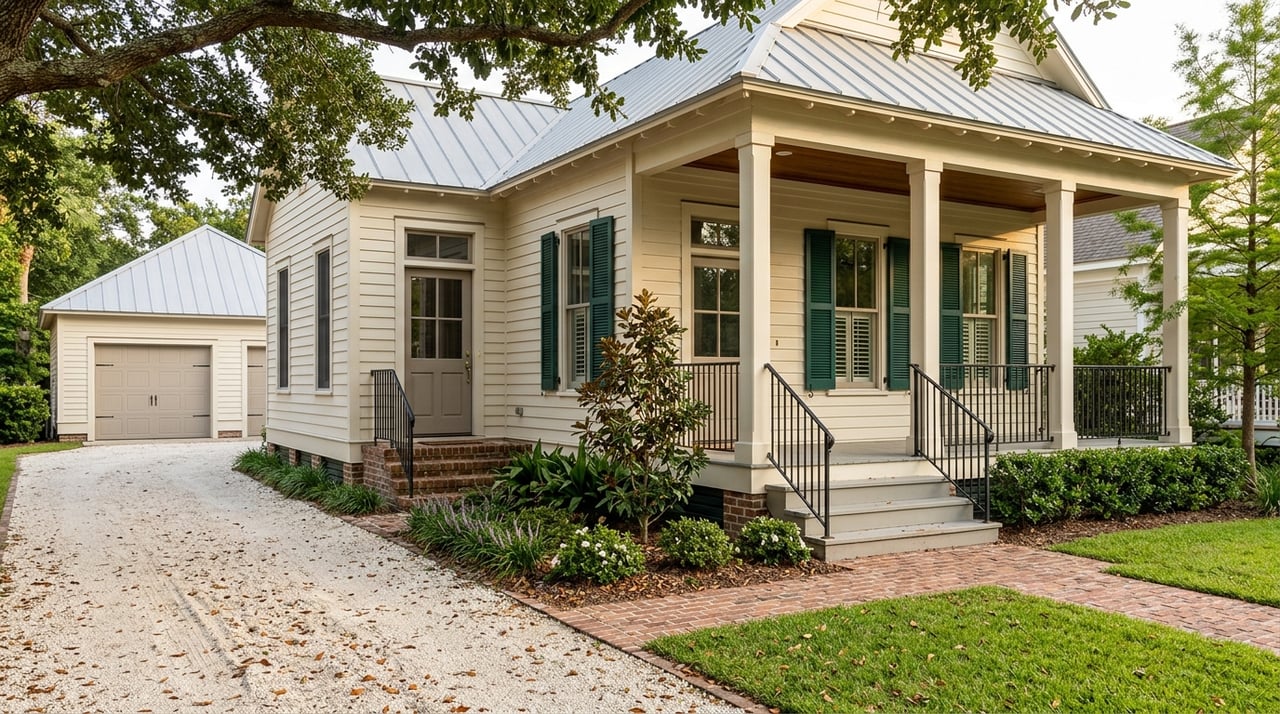
Thinking about more space, a different pace, or an easier position between New Orleans and Baton Rouge? The River Parishes can offer all three, but this area is not a one-size-fits-all market. If you are considering a move to St. Charles Parish, it helps to understand how the river, commute patterns, housing choices, and flood planning can shape your day-to-day life. Here is what to know before you decide. Let’s dive in.
Why Buyers Look to the River Parishes
The River Region includes St. Charles, St. John the Baptist, and St. James parishes along the Mississippi River between New Orleans and Baton Rouge. Within St. Charles Parish, you will find communities such as Destrehan, Luling, Hahnville, Norco, St. Rose, Des Allemands, Bayou Gauche, Paradis, Ama, Montz, Killona, New Sarpy, Boutte, and Taft. That broad footprint gives buyers a mix of suburban, semi-rural, and more acreage-oriented options.
For many households, the appeal starts with location. St. Charles Parish is about 25 miles west of New Orleans, and the parish highlights strong access to I-310, I-10, and Louis Armstrong New Orleans International Airport. If you want more room while staying connected to work, travel, or city amenities, that balance can be attractive.
The local economy also shapes demand. Parish economic materials note a base tied to energy and petrochemical industries, along with transportation and technology-related companies. In practical terms, that means some buyers are looking for a commuter-friendly home base, while others want to live closer to major employers.
St. Charles Often Acts Like Two Markets
One of the most important things to understand is that St. Charles Parish often functions like two micro-markets. The Mississippi River divides the parish into east-bank and west-bank communities, and that divide can affect commuting, home search strategy, and even the feel of daily life.
East-bank communities include Norco, New Sarpy, Destrehan, St. Rose, and Montz. West-bank communities include Luling, Hahnville, Boutte, Des Allemands, Bayou Gauche, Paradis, Ama, Killona, and Taft. If you are moving to the area, choosing the right bank can be just as important as choosing the right house.
The Hale Boggs Memorial Bridge is a major connector because it links Louisiana Highway 18 on the West Bank with Louisiana Highway 48 on the East Bank as part of I-310. That infrastructure helps, but your routine can still look very different depending on which side of the river you choose. A smart first step is to map your most common drives before narrowing your home search.
What the Housing Market Looks Like
If you have started browsing listings, you have probably noticed a wide range of prices. As of April 2026, Realtor.com reported a median listing price of $310,000 in St. Charles Parish and a median sold price of $270,375, while Zillow showed an average home value of $267,627. Since those platforms use different methods, the most useful takeaway is that much of the parish sits in a mid-$200,000s to low-$300,000s range.
Market pace also matters. Realtor.com reported a median of 70 days on market, while Zillow showed homes going pending in about 49 days. That suggests a market where well-positioned homes can move, but buyers may still find opportunities to compare options carefully.
At the community level, prices can vary quite a bit. Realtor.com showed median list prices around $365,000 in Luling, $297,000 in Destrehan, $315,000 in Hahnville, $289,900 in Norco, $260,000 in St. Rose, $319,990 in Des Allemands, $339,500 in Bayou Gauche, and $379,999 in Montz. This is one reason broad parish averages only tell part of the story.
Days on market vary too. In the same reporting, Montz was at 44 days on market while Bayou Gauche was at 144. If you are comparing communities, this can affect how quickly you may need to act and how much flexibility you might have during negotiations.
Lot Size and Property Type Matter
One of the practical benefits of the River Parishes is housing variety. You may find traditional subdivision homes, older river-road properties, manufactured-home-eligible sites in certain zones, and larger tracts that feel more rural. That flexibility can be a major plus if your priority is space or a more specific lifestyle setup.
Still, lot size is not something you want to assume. Parish zoning examples show that R-1A requires a minimum 6,000-square-foot lot with a 60-foot width for single-family detached homes, while R-1A(M) uses a 5,000-square-foot minimum with 50-foot minimum width and allows manufactured or mobile homes. Other provisions also contemplate farming on lots of 3 acres or more with at least 150 feet of frontage.
Real-world listings show how wide the spread can be. One current Luling lot example is about 0.37 acres, while a Des Allemands land listing is 1.223 acres. In other words, your experience can be very different depending on whether you want a newer subdivision lot, a semi-rural property, or acreage.
Before you move forward on any property, confirm more than the parcel size. You should verify subdivision restrictions, HOA covenants if applicable, and whether the property fits how you actually plan to live. A lot that looks generous on paper may still have limitations that affect building plans, parking, outdoor use, or future improvements.
Commute and Transportation Questions to Ask
St. Charles Parish reported a mean travel time to work of 26.0 minutes, which gives you a useful baseline if you are weighing house size against drive time. That number will not predict your exact experience, but it helps set realistic expectations. For many buyers, the goal is not just finding a home they like, but finding one that works on a Tuesday morning.
Road access is a key advantage in the parish. Local transportation information points to I-310 and I-10 as major connectors, and proximity to the airport can also matter if your work or family life involves frequent travel. If you split time between multiple job centers, those regional links can add meaningful convenience.
Public transit is also part of the picture. The River Parishes Transit Authority provides demand-response service in St. Charles and St. John the Baptist parishes, with connectivity to St. James and Kenner transit systems. That may not replace a car for every household, but it is worth knowing if transit access matters in your planning.
Parish Public Works maintains 213 miles of roadways, which makes roadwork and drainage projects part of everyday logistics. When comparing neighborhoods or communities, ask how traffic patterns, bridge access, and road conditions affect the routes you will actually use most often.
Flood Planning Should Be Part of Your Search
In south Louisiana, flood planning is not a side issue. It should be part of your decision-making from the beginning. St. Charles Parish participates in the National Flood Insurance Program, and the parish planning department oversees zoning, subdivision, flood, and coastal management rules.
The parish also notes that substantial repairs or improvements can trigger elevation requirements. That matters if you are considering an older home, a fixer-upper, or a property you may want to expand later. What you can do with a home in the future may depend in part on floodplain rules, not just your renovation budget.
Protection systems differ by bank as well. The East Bank is tied to the Lake Pontchartrain and Vicinity and West Shore systems, while the West Bank page notes exposure to heavy rainfall, tidal surges, and hurricane-related flooding. Those differences are exactly why buyers should evaluate each property individually rather than making broad assumptions about the whole parish.
A practical approach is to ask early about the flood zone, elevation certificate status, and expected insurance costs. Those details can influence monthly ownership costs just as much as your mortgage payment. The earlier you understand them, the better you can compare homes with confidence.
Lifestyle and Everyday Amenities
A move is about more than the house itself. You also want to know what daily life looks like once the boxes are unpacked. In St. Charles Parish, amenities include six library branches, a 59-bed parish hospital in Luling, a federally qualified health center, and access to additional regional hospitals in Kenner and the greater New Orleans area.
For recreation, the parish highlights parks, water sports, ball fields, golf, tennis, and a calendar of local festivals. Events such as the Catfish Festival, Alligator Festival, and Destrehan Plantation Fall Festival help reflect the area’s local identity and community rhythm. If you enjoy outdoor recreation and local events, that can be part of the appeal.
The attractions list also shows the range of things to do nearby. Bonnet Carré Spillway, Destrehan Plantation, East Bank Bridge Park, Wetland Watchers Park, Ormond Plantation, Ormond Spray Park, the German Coast Farmers Market, and West Bank Bridge Park all add to the lifestyle mix. For many buyers, the River Parishes offer a blend of access, open space, and local character that feels different from a denser city setting.
Questions to Ask Before You Move
If you are seriously considering a move to the River Parishes, focus on a few practical questions first. The answers will usually point you toward the right community faster than browsing listings alone.
- Which bank of the river best fits your regular commute?
- How much lot size do you truly need, beyond the zoning minimum?
- Would you prefer a newer subdivision, an older established property, or a more rural tract?
- How comfortable are you with the flood risk and insurance profile of a specific home?
- Do you want easier access to New Orleans, industrial employers, the airport, boat launches, or recreation?
These questions matter because St. Charles Parish combines several different living patterns in one area. You are not just choosing a house. You are choosing how you want your routine to work.
Why Local Guidance Helps
The River Parishes can be a smart move for buyers who want space, regional access, and a wider range of property types than they may find in tighter New Orleans-area neighborhoods. At the same time, this market asks you to think carefully about bank-to-bank travel, submarket differences, zoning, and flood-related costs. The details matter here.
That is where local, strategic guidance can make the process smoother. When you work with a brokerage that understands Greater New Orleans and the surrounding parishes, you are better positioned to compare options in context and make a decision that fits both your lifestyle and long-term plans. If you are exploring a move to St. Charles Parish or the broader River Region, Joseph S. Pappalardo Jr. can help you evaluate the market with clarity and confidence.
FAQs
What are the River Parishes in Louisiana?
- The River Region includes St. Charles, St. John the Baptist, and St. James parishes along the Mississippi River between New Orleans and Baton Rouge.
What communities are in St. Charles Parish?
- Communities listed by the state parish profile include Ama, Bayou Gauche, Boutte, Des Allemands, Destrehan, Hahnville, Killona, Luling, Montz, New Sarpy, Norco, Paradis, St. Rose, and Taft.
What is the St. Charles Parish housing market like?
- As of April 2026, available reporting points to a market generally in the mid-$200,000s to low-$300,000s, with variation by community and property type.
How important is the east-bank versus west-bank choice in St. Charles Parish?
- It is very important because the river divide can affect commute patterns, access routes, and the feel of different local housing submarkets.
What should buyers ask about flood risk in St. Charles Parish?
- Buyers should ask about the property’s flood zone, elevation certificate status, and likely insurance costs early in the home search.
What is the average commute time in St. Charles Parish?
- The U.S. Census QuickFacts page reported a mean travel time to work of 26.0 minutes.
Are there transit options in St. Charles Parish?
- Yes. The River Parishes Transit Authority provides demand-response service in St. Charles and St. John the Baptist parishes, with connections to nearby transit systems.
What amenities are available in St. Charles Parish?
- Parish resources highlight six library branches, a hospital in Luling, a health center, parks, sports facilities, water recreation, and local festivals and attractions.