Thinking about trading a short city commute for more space and a different daily rhythm? For many New Orleans area buyers, the Northshore offers exactly that kind of lifestyle shift, with established towns, more homeownership-oriented housing, and easy access to parks, water, and local events. If you are weighing whether the move is worth the bridge traffic, tolls, and extra planning, this guide will help you compare the real tradeoffs. Let’s dive in.
Why the Northshore appeals
For New Orleans area commuters, the Northshore usually means St. Tammany Parish communities north of Lake Pontchartrain, including places like Mandeville, Covington, Madisonville, Abita Springs, and Slidell. Visit The Northshore describes the area as about 40 minutes from New Orleans, with Mandeville as the first town you reach after crossing the Causeway.
The appeal is often practical and lifestyle-driven. St. Tammany Parish has a 78.9% owner-occupied housing rate, a median owner-occupied home value of $284,000, and a median household income of $81,202, based on 2020 to 2024 ACS data. Taken together, that points to a market where many buyers are looking for more permanent residential roots, not just a place to sleep between workdays.
If you are coming from Orleans Parish, the Northshore can feel like a reset. You may gain more square footage, a larger yard, and a more car-oriented residential routine, while giving up some proximity and spontaneity that come with living closer to the city core.
What daily commuting looks like
For many Northshore residents who work in the New Orleans area, the Lake Pontchartrain Causeway is the main link between home and office. The Causeway spans 24 miles and serves as a major corridor connecting the Greater New Orleans region, with around-the-clock law enforcement and motorist aid provided by the Causeway Police Department.
That makes the commute workable, but it also means you should plan around the realities of bridge travel. Tolls are collected only on the North Shore side, and the current rate for a 2-axle vehicle is $3.40 with a tag or $6.00 with cash or credit card. The operator also notes that a third tag-only lane was added to improve morning traffic flow.
The bridge’s drawbridge is not opened during weekday commuting hours from 5:30 a.m. to 9:30 a.m. and 3:00 p.m. to 7:00 p.m. because of heavy vehicle traffic. That tells you a lot about how commuter-focused this route really is. If you are considering the move, it is smart to budget not only for time but also for tolls and the routine of a car-first schedule.
St. Tammany Parish’s mean travel time to work is 31.5 minutes. That is a parishwide number, not a direct New Orleans commute measurement, but it gives a useful baseline for what a longer everyday drive can look like in this area.
Northshore towns to consider
Mandeville
Mandeville often serves as the front door to the Northshore for New Orleans commuters. The city is closely tied to the Causeway approach and has a strong lakefront identity, which can make it especially appealing if you want a quick route back toward the South Shore.
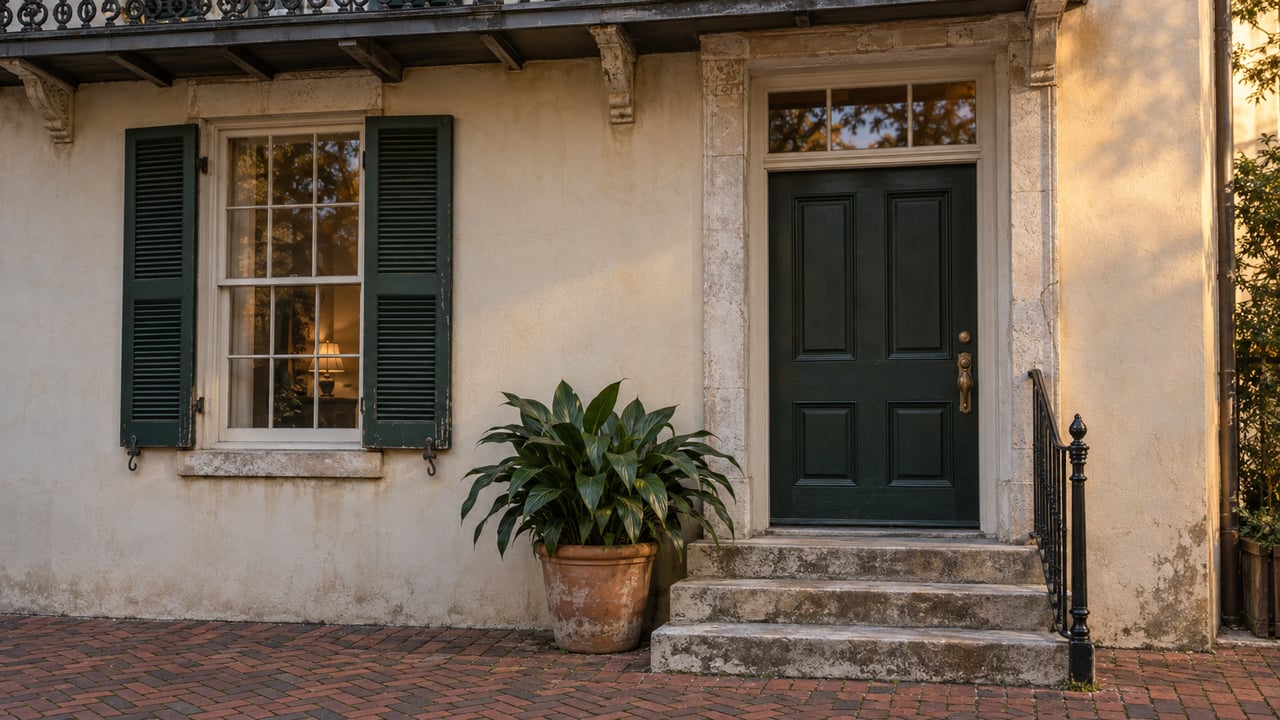
Its historic district includes Creole cottages, Greek Revival-era homes, Victorian-era houses, and bungalows. The city also highlights lakefront homes and historic structures along Lakeshore Drive, giving Mandeville an established feel that blends older architecture with a commuter-friendly location.
Mandeville also offers a one-mile passive lakefront park and a Trailhead area with a cultural interpretive museum, splash fountain, lookout tower, amphitheater, and Saturday community market. If your ideal weekend includes outdoor time close to home, that can be a major advantage.
Covington
Covington gives you a different version of Northshore living. The city’s housing mix includes historic cottages and homesteads, downtown cultural-arts-district condos, and newer neighborhood subdivisions, so you may have more variety if you are trying to balance character with newer construction.
Its park system includes Bogue Falaya Park, a trailhead museum, an outdoor amphitheater, and a range of public venues and events. The city also notes farmers markets, art openings, festivals, and concerts, which helps explain why many buyers see Covington as more than a commuter base.
If you are drawn to older homes, keep in mind that exterior changes in Covington’s historic district are reviewed before approval. That matters if you are planning additions, fencing, paint changes, or visible renovation work.
Abita Springs
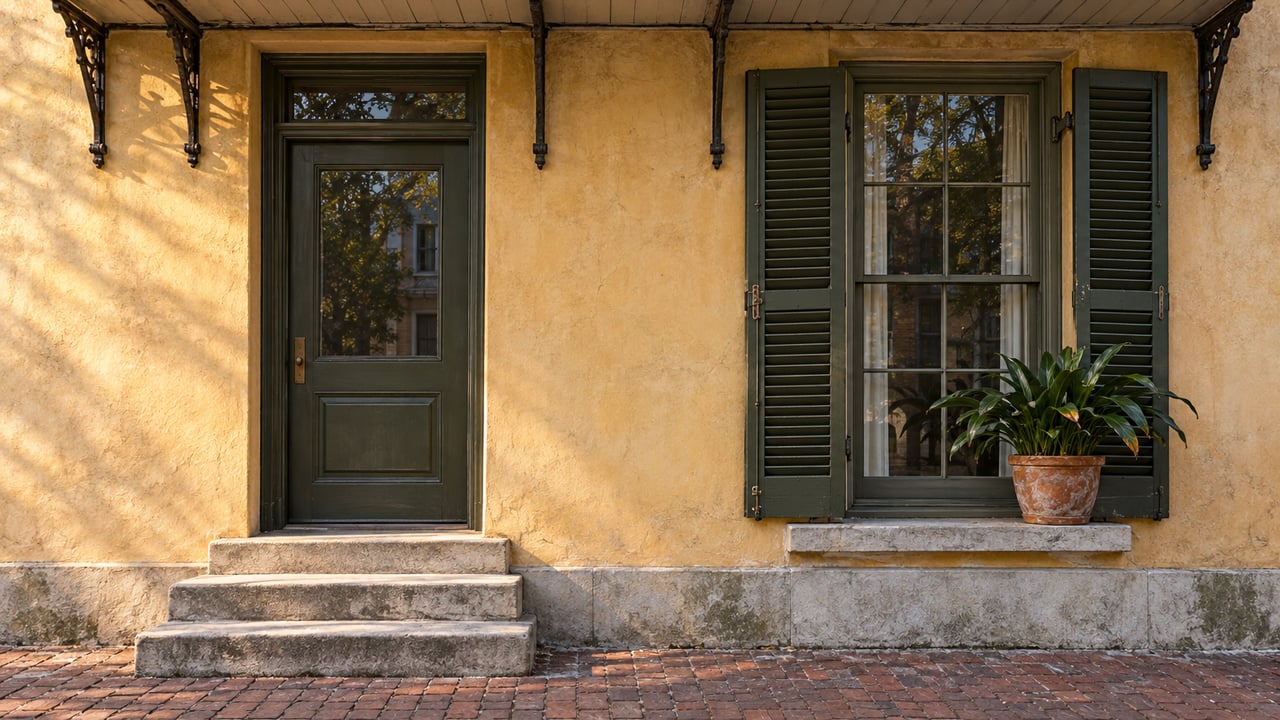
Abita Springs has a smaller-scale, historic feel that stands apart from some of the busier commuter areas. The town’s design guidelines describe late 19th- and early 20th-century homes, shotgun plans, North Shore-style houses with wide wraparound verandas, and Craftsman bungalows.
The setting is also part of the appeal. The historic district is described as relatively wooded and loosely spaced, with many homes within walking distance of the springs, commercial district, churches, and town hall. The town’s own history notes that Abita Springs developed as a vacation refuge for New Orleans residents, and that legacy still shapes its identity.
Abita Springs is also deeply tied to the Tammany Trace. The town highlights its Trailhead & Park, which includes picnic tables, a historic pavilion, a splash pad, a museum, and a playground, while the Trace itself runs 31 miles from Covington to Slidell.
Madisonville
Madisonville combines historic river-town character with ongoing growth. The town describes itself as approximately 40 miles from New Orleans and accessible via the Causeway from the south or by I-12 and state highways from the north.
What makes Madisonville different is its water-oriented lifestyle. The town highlights riverfront views, boat launches, dock and fishing access, marinas, museums, dining, shopping, and annual festivals. It also notes that new construction is intended to stay in character with the town’s historic setting.
If you want a Northshore move that feels tied to boating and waterfront activity, Madisonville deserves a close look. It offers a different rhythm than a purely subdivision-based search.
Housing styles and home search strategy
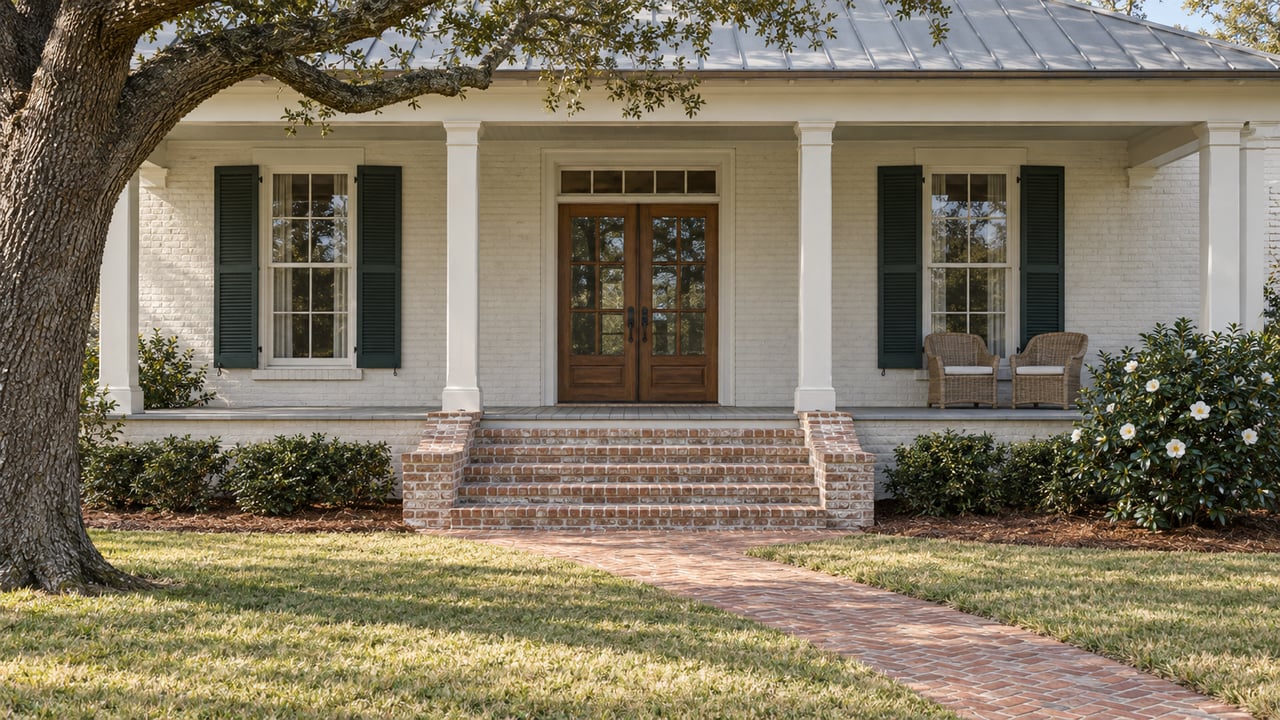
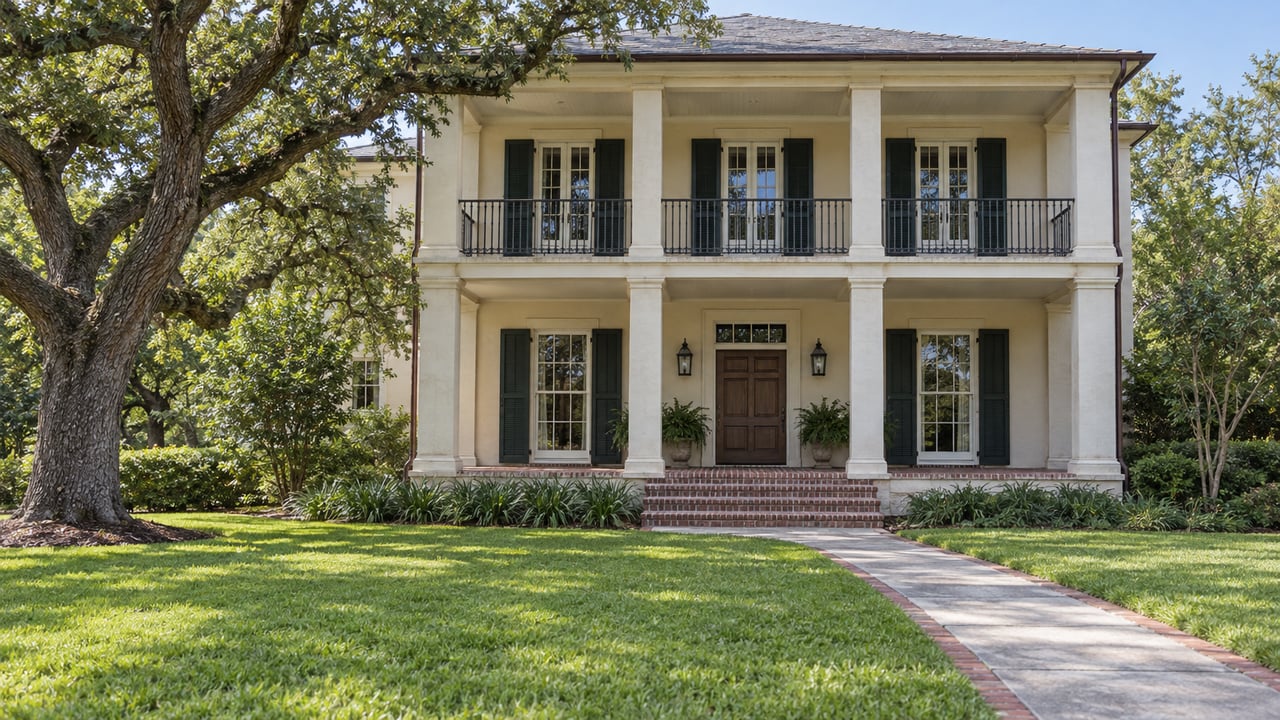
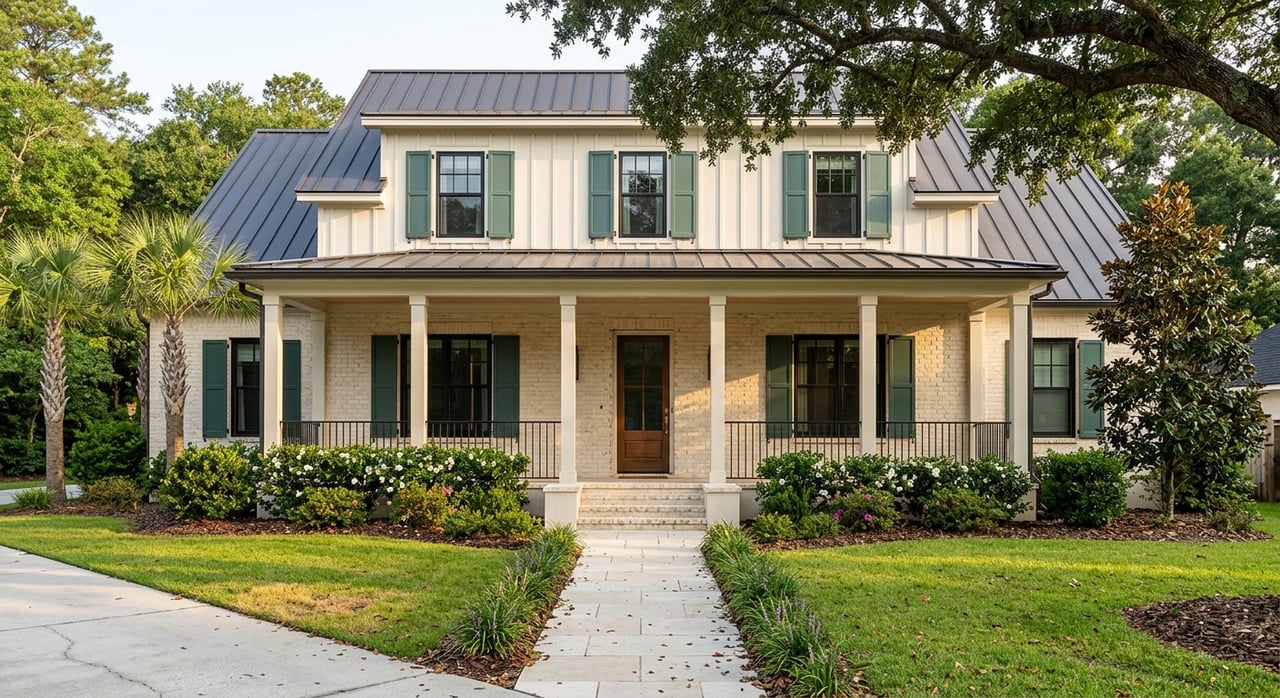
One of the Northshore’s biggest strengths is variety. Depending on where you look, you can find historic cottages, bungalows, river-town homes, lake-adjacent properties, downtown condos, and newer subdivision homes.
That range makes it easier to match your home search to your priorities. If you want architectural character, towns like Mandeville, Covington, and Abita Springs may stand out. If you want something newer or more conventional in layout, newer neighborhood development in parts of the parish may feel more practical.
It is also important to look beyond curb appeal. In historic districts in Mandeville, Covington, and Abita Springs, exterior work may be regulated, which can affect renovation plans and future maintenance decisions. If you are comparing an older home to a newer one, those rules should be part of your decision from the start.
Weekend lifestyle beyond the commute
A move to the Northshore is not only about where you sleep before work. For many buyers, the value is in what happens when the workweek ends.
Visit The Northshore describes the parish as offering vibrant arts and culinary scenes, historic districts with shopping, and about 80,000 acres of wildlife preserve and green space. That helps explain why many commuters do not view the area as just a bedroom community.
Outdoor access is a major part of the draw. Fontainebleau State Park covers 2,800 acres on the shore of Lake Pontchartrain and includes a beach, nature trail, camping, cabins, cycling and hiking routes, and extensive wildlife habitat. The Tammany Trace also runs through the park, connecting recreation with daily life in a way many buyers find appealing.
For buyers who want a more balanced routine, that mix can be compelling. You may spend more time in the car during the week, but gain easier access to parks, trails, water, and town-centered events close to home.
Costs and planning factors
The Northshore lifestyle is not a simple upgrade with no tradeoffs. More space and a strong ownership market can be attractive, but you still need to think carefully about monthly costs and long-term property decisions.
For commuters, one obvious expense is the Causeway toll. Over time, that recurring cost becomes part of your true housing budget, just like fuel, insurance, and vehicle wear.
Flood planning also matters. Local flood resources in St. Tammany Parish and its municipalities make clear that flood risk should be part of your home search, and Covington specifically reminds residents that standard homeowners policies do not cover flood damage. A separate flood policy is typically required.
This is especially important if you are comparing homes near the lake, rivers, or bayous, or choosing between an older historic property and a newer subdivision home. Before you buy, review flood maps, ask about insurance expectations, and understand how location and property type can affect your ownership costs.
Is Northshore living right for you?
Northshore living can make a lot of sense if you want more room, a stronger ownership-focused environment, and easy access to outdoor recreation and town-centered amenities. It tends to work best if you are comfortable with a longer drive, regular tolls, and the planning that comes with car-based commuting.
The right fit often comes down to how you want your week to feel. If you value extra residential space and a different pace after work, the tradeoff may be worth it. If easy city access matters more than square footage and weekend green space, staying closer to New Orleans may still serve you better.
A smart move starts with matching lifestyle goals to the realities of location, housing type, flood considerations, and commute patterns. If you want help comparing Northshore options with New Orleans area alternatives, Joseph S. Pappalardo Jr. can help you make a clear, informed decision.
FAQs
What does Northshore living mean for New Orleans commuters?
- Northshore living usually refers to living in St. Tammany Parish north of Lake Pontchartrain in communities such as Mandeville, Covington, Madisonville, Abita Springs, and Slidell while commuting to the New Orleans area.
What is the Lake Pontchartrain Causeway toll for Northshore commuters?
- For a 2-axle vehicle, the current toll is $3.40 with a tag or $6.00 with cash or credit card, and tolls are collected only on the North Shore side.
Which Northshore towns offer historic homes?
- Mandeville, Covington, and Abita Springs all have notable historic housing stock, including cottages, bungalows, Victorian-era homes, and other older architectural styles described by their local governments.
Do Northshore historic districts have renovation rules?
- Yes. Mandeville, Covington, and Abita Springs all have local review rules that can affect exterior work such as additions, fencing, paint changes, and similar updates.
What outdoor amenities are popular on the Northshore?
- Popular amenities include the Mandeville lakefront, the Tammany Trace, Covington parks and events, Madisonville’s riverfront recreation, and Fontainebleau State Park with its beach, trails, cabins, and camping.
Do Northshore buyers need separate flood insurance?
- In many cases, flood insurance should be reviewed carefully because local flood guidance notes that standard homeowners policies do not cover flood damage, and a separate flood policy is typically required.