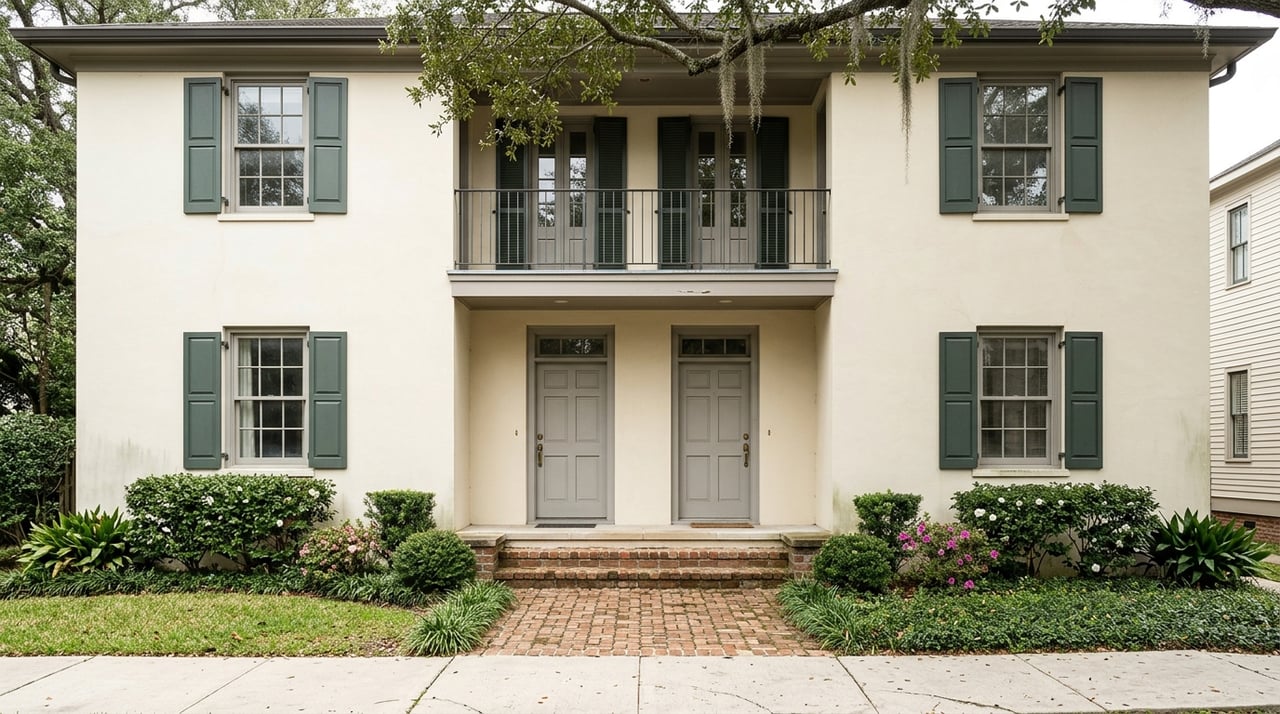
If you are thinking about buying a small rental property in Greater Baton Rouge, 70801 deserves a closer look. Downtown Baton Rouge can offer renter demand, walkable urban access, and a mix of condos, single-family homes, and small multifamily buildings, but it also asks you to underwrite more carefully than a typical suburban rental. If you want to invest with clearer expectations around rents, taxes, flood risk, permits, and operations, this guide will help you focus on the numbers and the local details that matter most. Let’s dive in.
Why 70801 Stands Out
For a small-rental investor, 70801 is not just another Baton Rouge ZIP code. It sits in downtown Baton Rouge, where parking is actively managed, weekday enforcement applies, designated zones may have a two-hour limit, and rates are set at 25 cents per 15 minutes. That urban setup can affect tenant convenience, property access, and leasing strategy.
The bigger Baton Rouge market also helps explain why this area gets investor attention. East Baton Rouge Parish had an estimated 456,180 residents in 2025, with a 59.3% owner-occupied housing unit rate and median gross rent of $1,147. Baton Rouge city itself had 222,795 residents, a lower 47.8% owner-occupied rate, and median gross rent of $1,067, which points to a more renter-oriented core than the parish overall.
Start With the Right Property Type
Small-rental investing in Greater Baton Rouge usually starts with three main choices: condos, single-family homes, and small multifamily buildings. Each can work, but each comes with a different risk and management profile. Your best fit depends on how hands-on you want to be and what kind of tenant demand you are targeting.
Condos Offer Simpler Exterior Maintenance
A condo can reduce your exterior maintenance burden, which may appeal if you want a more streamlined ownership experience. In a downtown setting like 70801, that convenience can be a real advantage. Still, you need to account for association dues, building rules, and any rental restrictions before you buy.
Single-Family Homes Can Be Easier to Resell
Single-family homes often have broad tenant appeal and can offer a simpler resale path later. If you want flexibility, this property type may feel more familiar and easier to position in the market. That said, upkeep, yard care, and system replacements typically fall directly on you.
Small Multifamily Can Increase Income Density
A duplex, triplex, or small apartment building can produce more income from one address. That higher income density can be attractive, especially if one vacancy does not take your revenue to zero. But these properties usually require more attention to turnovers, shared systems, and day-to-day operations.
Screen Properties at the Parcel Level
In downtown Baton Rouge, broad ZIP-code averages are not enough. Two properties a short distance apart can have different zoning, tax implications, flood exposure, permit history, and parking conditions. That is why parcel-level screening matters.
The EBRGIS Property Lookup can help you search by street address and review property information. The broader map tools also connect you to zoning, drainage and flood zones, blighted property information, and historic maps. Open Neighborhood BR adds block-level context such as crime data, fire incidents, building permit activity, and 311 issues, which can help you see how a location functions beyond the listing photos.
Check Zoning, Permits, and Code History
The city-parish Development Department handles construction permit issuance, code enforcement, blight reduction, and floodplain-related processes in East Baton Rouge Parish. For investors, that means neighborhood screening should include more than curb appeal or asking price. You also want to understand whether a property has permit issues, maintenance concerns, or compliance risks that could become expensive after closing.
Underwrite Rents Conservatively
A good investment property is bought on realistic numbers, not optimistic guesses. In Baton Rouge, one of the most useful conservative benchmarks comes from HUD’s FY2025 Baton Rouge HUD Metro FMR Area figures. Those figures list $1,063 for a one-bedroom unit, $1,081 for a two-bedroom unit, and $1,222 for a three-bedroom unit.
These are not guaranteed market rents, but they can give you a practical floor for rent discussions and affordability analysis. You should then adjust based on unit condition, parking, location within downtown, flood exposure, and the overall tenant experience. In a logistics-sensitive submarket like 70801, details such as reserved parking or easier access can make a meaningful difference.
Census data adds more context. Baton Rouge city’s median gross rent is $1,067, while East Baton Rouge Parish’s median gross rent is $1,147. That gap is a reminder that rent assumptions should be property-specific and location-specific, not based on one broad parish number.
Model Taxes Like an Investor
One of the easiest mistakes in rental underwriting is using owner-occupied tax assumptions. In East Baton Rouge Parish, residential land and buildings are assessed at 10% of market value, and millage varies by location. Property inside city limits can also be affected by special districts, including the downtown development district.
That means your tax bill may look different than a casual online estimate suggests. The homestead exemption generally requires the owner to own and occupy the property, so it usually does not apply to rental property. If you are buying for investment, build your numbers around the rental case from day one.
Tax timing matters too. In East Baton Rouge Parish, tax bills are generally mailed around the last week of November and are due by December 31 to avoid penalties and interest. If you own from out of town, keeping your mailing information current is a small task that can prevent bigger problems.
Treat Flood Risk as a Core Cost
In Baton Rouge, flood and drainage risk should never be an afterthought. The city’s flood information makes it clear that everyone has flood risk, and local tools are available for flood-zone determination and floodplain review. That is especially important when you are comparing multiple deals and trying to understand the true monthly cost of ownership.
Most homeowners insurance does not cover flood damage, so you should request insurance quotes early in your review process. A property that looks attractive on price alone may become less appealing once flood insurance and drainage concerns are added to the carrying cost. In practice, flood maps, drainage, and insurance should be part of your first-pass screen, not your final checklist.
Budget for Permits and Rehab
Older housing stock and urban properties often come with deferred maintenance, and not every rehab item is as simple as it first appears. Baton Rouge requires permits for many common residential scopes, including roof replacement, window replacement, door replacement, HVAC work, plumbing work, and driveway work. Permit fees can also apply to residential remodels, occupancy permits, fences, generators, and short-term rental permits.
There is also a contractor threshold to keep in mind. Residential work exceeding $7,500 must be performed by a registered home-improvement contractor or licensed residential contractor. If you are estimating rehab on a small rental, that rule can affect your timeline, budget, and vendor selection.
Code Compliance Can Affect Returns
The city-parish has adopted minimum standards for residential properties based on the International Property Maintenance Code. Enforcement procedures can include penalties of up to $500 per violation. For an investor, that means deferred maintenance is not just a cosmetic issue. It can become a code-enforcement issue that affects your operating costs and tenant readiness.
Know the Rules Before You Lease
Owning a rental property is not only about acquisition and rehab. You also need clear operating procedures that fit Louisiana and Baton Rouge rules. Good systems protect your income, reduce disputes, and support a more professional rental experience.
Use Consistent Fair Housing Practices
Fair housing is a baseline requirement for every rental owner. The Louisiana Housing Corporation states that the Fair Housing Act prohibits discrimination based on color, race, religion, sex, national origin, disability, or familial status. Baton Rouge’s fair-housing guidance also notes that discrimination in sale, rental, leasing, financing, and advertising is prohibited, including steering.
For you, the practical takeaway is simple. Keep screening criteria consistent, document your process, and evaluate applicants based on objective standards tied to the property and lease terms.
Follow Louisiana Deposit Rules
Louisiana law requires a residential security deposit to be returned within one month after the lease ends. If any portion is retained, an itemized statement is required. Willful failure can lead to statutory damages, so clear records matter.
Understand the Local Eviction Process
If a tenancy goes wrong, Louisiana requires at least five days’ written notice to vacate. Baton Rouge City Court handles landlord-tenant civil claims up to $35,000 within city limits. The city’s guidance also warns that self-help lockouts are not allowed except in abandonment situations, which makes a lawful process essential.
Think Carefully About Short-Term Rental Use
Some buyers look at a downtown property and immediately think about furnished short-term stays. In Baton Rouge, that strategy has its own rules. Non-owner-occupied short-term rental units need a permit, the fee is $100, occupancy is capped at two people per bedroom plus two additional people, parking is required, and three adjudicated violations in one calendar year can suspend the ability to operate for one year.
Owner-occupied units may be exempt from the permit requirement, but they must actually be owner-occupied and supported by proof of homestead exemption. If your plan could shift between long-term and short-term use, verify the local requirements before you count on that flexibility.
A Smarter Way to Evaluate Deals
When you invest in small rental properties in Greater Baton Rouge, especially in 70801, success usually comes from disciplined screening rather than chasing headline pricing. A promising deal should make sense at the parcel level, with realistic rents, investor-level tax assumptions, flood awareness, permit planning, and a clear operating plan. Downtown Baton Rouge can offer strong opportunity, but it rewards careful buyers who respect the details.
If you want help evaluating a condo, single-family rental, or small multifamily opportunity in Baton Rouge, local guidance can make the process more efficient and more strategic. For personalized support with buying, selling, leasing, or investor-focused real estate decisions, connect with Joseph S. Pappalardo Jr..
FAQs
What makes 70801 different from other Baton Rouge rental areas?
- 70801 is a downtown Baton Rouge submarket with active parking rules, urban logistics, and parcel-level differences in zoning, flood exposure, and special district impacts.
What rent numbers should you use for a Baton Rouge small rental?
- A conservative starting point is HUD’s FY2025 Baton Rouge figures of $1,063 for a one-bedroom, $1,081 for a two-bedroom, and $1,222 for a three-bedroom, then adjust for condition, parking, and location.
How are rental property taxes handled in East Baton Rouge Parish?
- Residential land and buildings are assessed at 10% of market value, millage varies by location, and homestead exemption generally does not apply to rental property because it requires owner occupancy.
Why does flood risk matter when buying a rental in Baton Rouge?
- Baton Rouge states that everyone has flood risk, and flood exposure can affect insurance costs, monthly carrying expenses, and the overall attractiveness of a deal.
What rehab work usually needs permits in Baton Rouge?
- Common permit-triggering items include roof, window, and door replacement, HVAC work, plumbing work, driveway work, and many remodel-related scopes.
What should landlords know about security deposits in Louisiana?
- Louisiana law generally requires the residential security deposit to be returned within one month after the lease ends, with an itemized statement if any amount is withheld.
What should investors know about evictions in Baton Rouge?
- Louisiana requires at least five days’ written notice to vacate, Baton Rouge City Court handles qualifying landlord-tenant claims within city limits, and self-help lockouts are generally not allowed.
Can you use a downtown Baton Rouge rental as a short-term rental?
- Possibly, but non-owner-occupied short-term rentals require a local permit, must meet occupancy and parking rules, and can face suspension after repeated violations.