If you picture Uptown New Orleans as a place of oak-lined streets, historic homes, and mornings that start with a walk to coffee, you are not far off. For many buyers, the real question is how that image translates into everyday life, especially if you are narrowing your search to the Garden District. This guide will help you understand the feel of the area, how the Garden District fits into broader Uptown, and what daily living here can actually look like. Let’s dive in.
Uptown vs. Garden District
When people talk about Uptown New Orleans, they are usually describing a broad residential stretch of the city rather than one tightly defined neighborhood. According to the City of New Orleans, Uptown is primarily residential, laid out on a grid, shaded by an established tree canopy, and anchored by commercial activity along streets like Magazine Street, with smaller stores and restaurants scattered throughout the area. It also includes a sequence of upriver neighborhoods such as the Garden District, Irish Channel, Riverside, Black Pearl, and Carrollton.
The Garden District is a more formally defined historic area within that larger Uptown setting. The city identifies the historic district as roughly bounded by Magazine Street, Josephine Street, Carondelet Street, and Delachaise Street, with some exceptions along St. Charles Avenue, and notes that it was laid out in 1832, incorporated into Lafayette in 1834, annexed by New Orleans in 1852, and later recognized on the National Register of Historic Places and as a National Historic Landmark. In simple terms, the Garden District is one of Uptown’s most iconic historic pockets, while Uptown is the broader residential lifestyle around it.
The Look and Feel of Daily Life
Life here tends to feel visually rich and slower paced. You are surrounded by mature trees, sidewalks, front gardens, and architecture that gives even ordinary routines a sense of place. That setting is a major reason many buyers are drawn to this part of New Orleans.
The Preservation Resource Center’s Garden District overview describes a neighborhood rhythm shaped by morning strolls under live oaks, familiar faces at coffee shops, walks along Prytania Street, and a streetscape defined by historic homes and landscaped lots. That description matches what many people hope to find in Uptown living: not just a house, but a day-to-day environment that feels rooted, walkable, and distinctly New Orleans.
Architecture Shapes the Experience
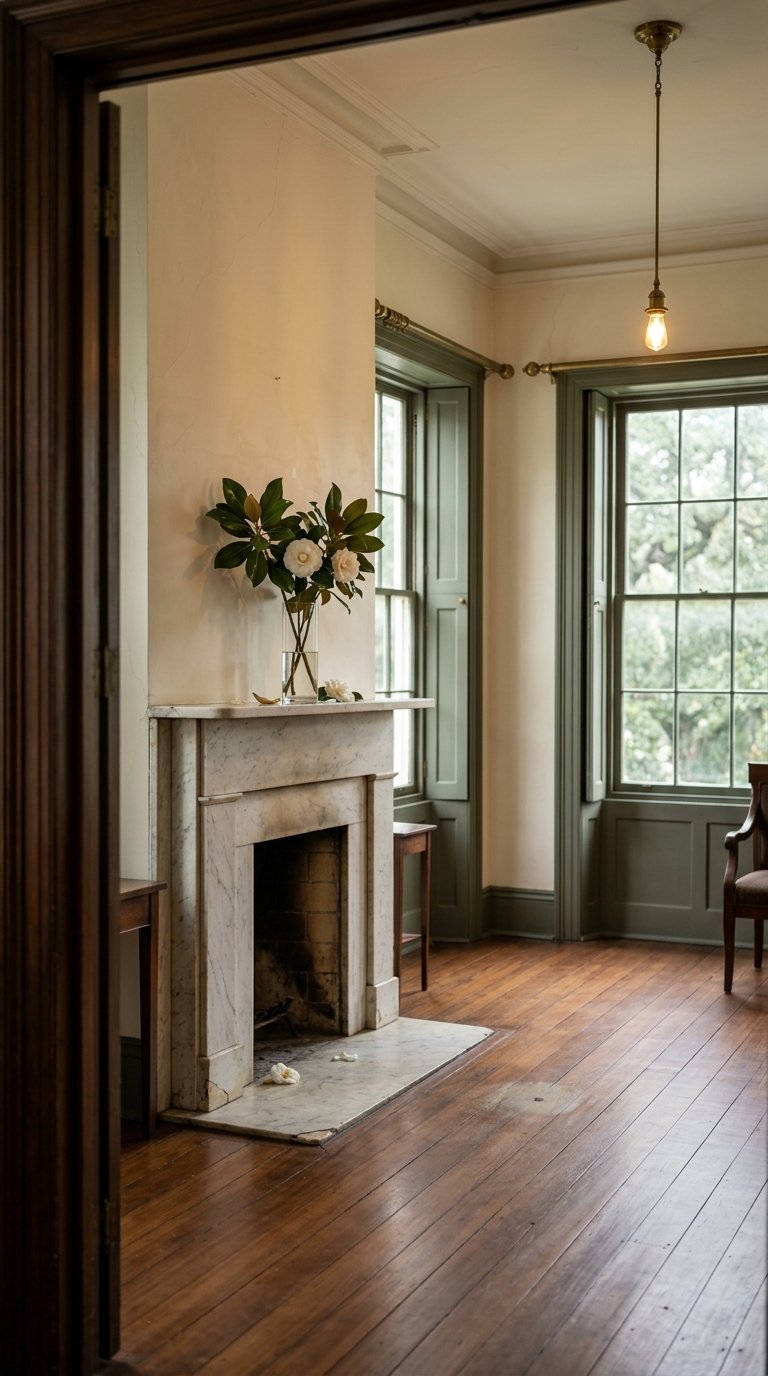
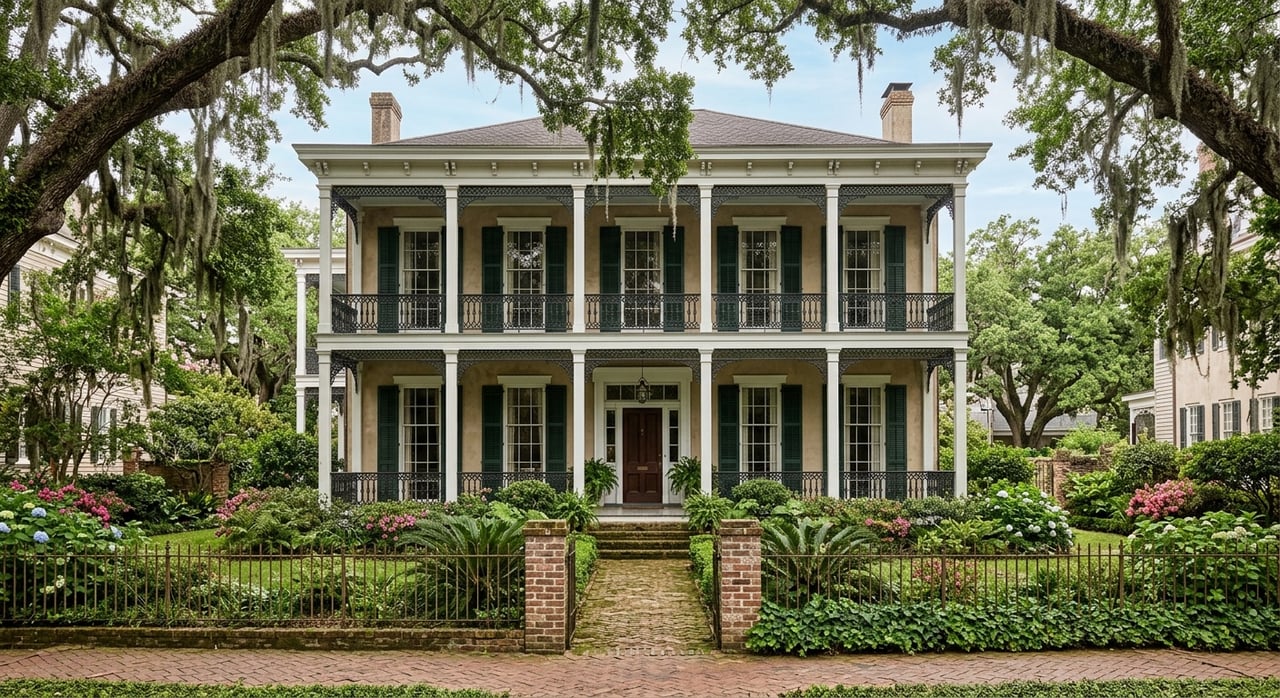
One of the biggest differences between living in the Garden District and living in Uptown more broadly is the housing stock. In the Garden District, you will find grand Greek Revival and Italianate mansions, but also smaller cottages, shotgun houses, camelbacks, and later infill homes. The district is especially known for landscaped double lots, cast-iron fences, masonry walls, and front yards that give the streets a polished, formal feel.
Across Uptown, the mix is even broader. The city’s historic district materials describe common styles such as Greek Revival, Italianate, Eastlake, Arts and Crafts, and Colonial Revival, with shotguns and camelbacks especially common. That means your options can range from stately historic residences to more compact homes with classic New Orleans character.
For you as a buyer, this matters because the architecture is not just aesthetic, it affects how the neighborhood lives. Larger lots, older homes, shallow setbacks, front porches, and tree-lined blocks all shape privacy, curb appeal, outdoor use, and the feel of the street.
Streetscapes That Encourage Walking
One of Uptown’s strongest lifestyle advantages is how pleasant many blocks feel on foot. The city describes streetscapes with sidewalks separated from the roadway by grass strips, mature street trees, shallow front yards on some blocks, and street parking on many properties. That creates a neighborhood environment where walking often feels like part of the appeal rather than just a way to get somewhere.
At the same time, walkability here is not the same as living in a dense downtown core. Daily errands, dining, and shopping are more corridor-based, centered along streets like Magazine, Freret, and St. Charles, instead of concentrated in one retail district. In practice, that means you may walk often for enjoyment and for nearby destinations, while still using a car or streetcar for many routine trips.
Magazine Street Is a Major Draw
If there is one commercial corridor that defines daily life here, it is Magazine Street. New Orleans & Company notes that Magazine Street stretches six miles from Canal Street to Audubon Park, passing through the CBD, Garden District, and Uptown with shopping, cafés, bakeries, bars, and fine dining along the way.
For Garden District residents in particular, that puts a long list of everyday conveniences and leisure spots within easy reach. The PRC also highlights Commander’s Palace, the Rink shopping complex, local coffee shops, and the varied restaurants along Magazine Street as part of neighborhood life. If you enjoy a lifestyle built around local dining, browsing shops, and having places to meet friends without driving across town, this corridor is a big part of the appeal.
Freret Street Adds Another Layer
While Magazine gets most of the attention, it is not the only lifestyle hub in broader Uptown. The city’s tourism resources describe Freret Street as a neighborhood favorite for dining, drinks, and live music, noting that the stretch from Jefferson to Napoleon includes more than 32 restaurants, bars, coffee shops, and businesses.
That matters because Uptown living is not one-note. Depending on where you are, your routines may orbit different streets and destinations. The result is a residential area with multiple activity nodes, giving you options without changing the neighborhood’s mostly residential feel.
Outdoor Living Is Part of the Lifestyle
Uptown’s outdoor appeal goes well beyond pretty streets. Audubon Park is one of the area’s defining amenities, with live oak allées, a 1.8-mile jogging path, a lagoon, picnic pavilions, playgrounds, tennis courts, riding stables, soccer fields, a pool, a café, and a golf club. The National Park Service also recognizes the park’s historic design roots in John Charles Olmsted’s 1898 plan, and city materials describe it as the largest public space in Uptown and second only to City Park in New Orleans overall.
If you are comparing neighborhoods, this is an important quality-of-life point. Uptown offers access to one of the city’s major green spaces, which supports walking, running, recreation, and relaxed weekends outdoors. Even if you live closer to the Garden District than to Audubon Park itself, the broader Uptown identity is strongly shaped by access to open space and tree-shaded streets.
The Garden District also carries its own outdoor character. The area is associated with sidewalk walks, views near Lafayette Cemetery No. 1, and residential streets that invite slow, everyday use rather than just pass-through traffic. That makes the outdoor experience feel woven into the neighborhood itself, not limited to a single park destination.
The Streetcar Is More Than a Landmark
The St. Charles streetcar is one of the most recognizable features of Uptown life, but for residents it is more than scenery. New Orleans & Company’s Uptown and Garden District guide describes the line as connecting riders to parks, universities, cemeteries, the zoo, and more, while city historic district materials note that it offers access to the Central Business District and the Vieux Carré.
Current RTA information identifies the St. Charles line as Route 12, running between Canal at Carondelet and Carrollton at Claiborne, with stops including Jackson, Napoleon, and Broadway. The RTA also notes that all bus and streetcar lines are ADA-accessible. For everyday life, that means the streetcar can be a genuine mobility option for some trips, even if many residents still rely on driving for errands spread across the neighborhood.
What Living Here Often Feels Like
In practical terms, living in the Garden District and greater Uptown often means your day is shaped by scenery, routine, and neighborhood texture. You may start with a walk beneath live oaks, pass historic facades on your way to coffee, head to Magazine Street for lunch or errands, and use the streetcar or your car depending on where you need to go. The pace is residential, but there is enough activity nearby to keep daily life convenient and interesting.
That blend is what sets the area apart. The Garden District feels like Uptown’s formal showpiece, with especially polished historic character and landscaped blocks, while Uptown as a whole feels broader, more varied, and more rooted in everyday residential life. If you want architecture, outdoor beauty, local business corridors, and a neighborhood identity that feels unmistakably New Orleans, this part of the city offers a compelling mix.
If you are considering a move to the Garden District or anywhere in Uptown, local guidance can make a big difference, especially when you are evaluating historic housing stock, lot characteristics, and lifestyle fit block by block. Joseph S. Pappalardo Jr. brings the local perspective and strategic guidance that can help you navigate your next move with confidence.
FAQs
What is the difference between Uptown and the Garden District in New Orleans?
- Uptown is the broader residential area, while the Garden District is a formally defined historic district within Uptown known for especially notable historic homes and landscaped streets.
What is walkability like in the Garden District and Uptown New Orleans?
- Walkability is strong on many residential blocks and along key corridors, especially Magazine Street, but errands and dining are spread across several streets rather than centered in one downtown-style retail core.
What types of homes are common in the Garden District and Uptown?
- The area includes Greek Revival and Italianate homes, as well as cottages, shotgun houses, camelbacks, and other historic New Orleans housing types.
What outdoor amenities are near Uptown New Orleans?
- Audubon Park is the major open-space amenity, offering jogging paths, playgrounds, tennis courts, picnic areas, a lagoon, a pool, and more.
How do residents get around Uptown New Orleans?
- Many residents use a mix of driving, walking, and the St. Charles streetcar, which connects key Uptown stops with other parts of the city.
Is the Garden District a good fit if you want historic New Orleans character?
- If you are looking for a neighborhood defined by historic architecture, mature trees, sidewalks, and a strong sense of place, the Garden District is one of New Orleans’ most recognizable options.