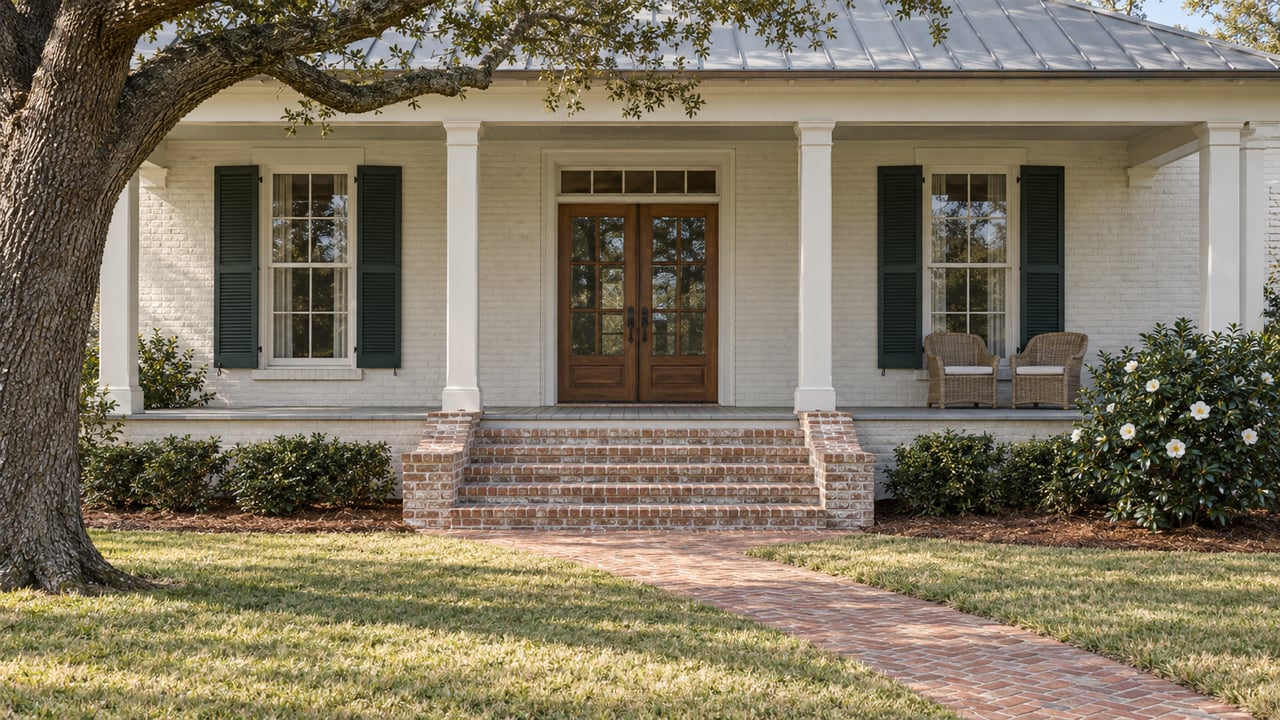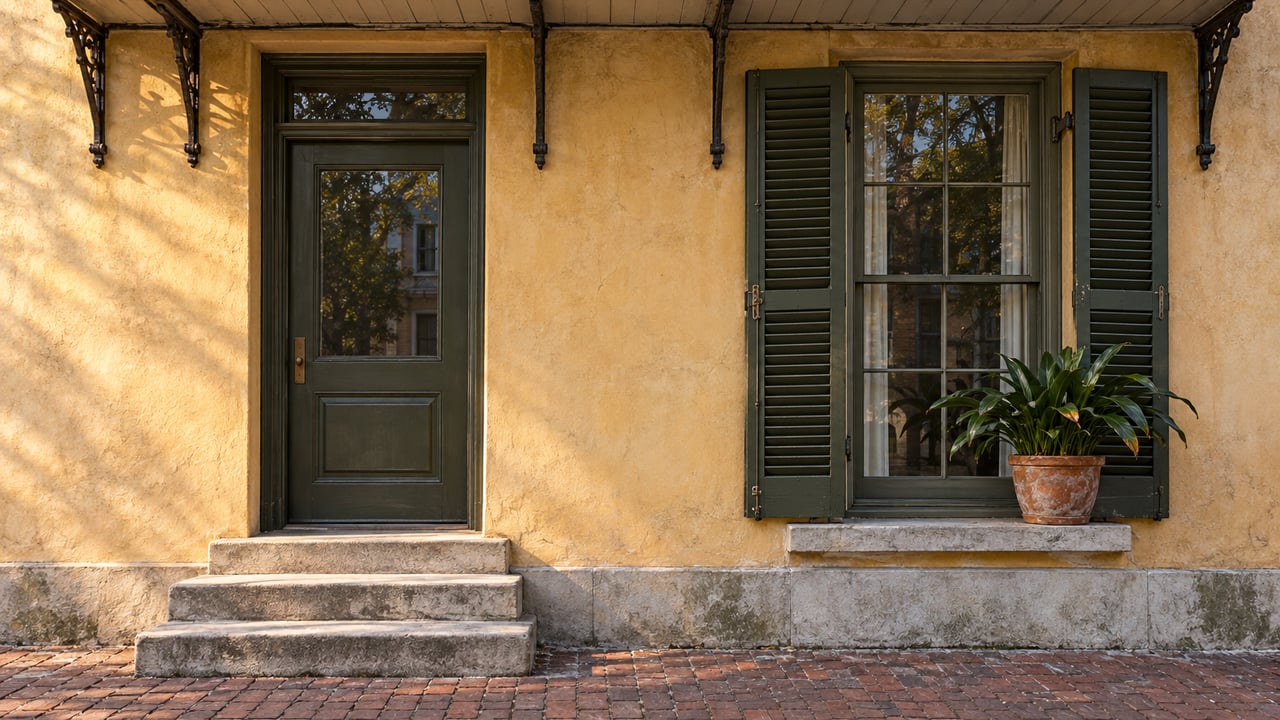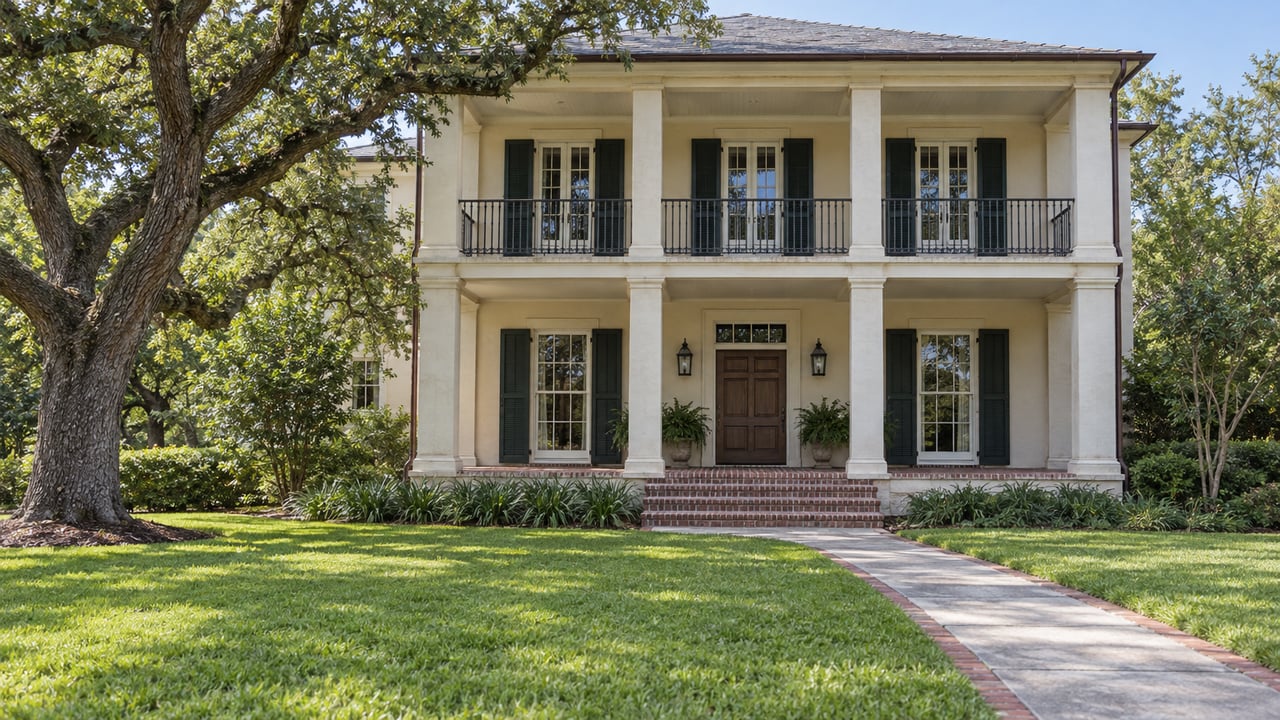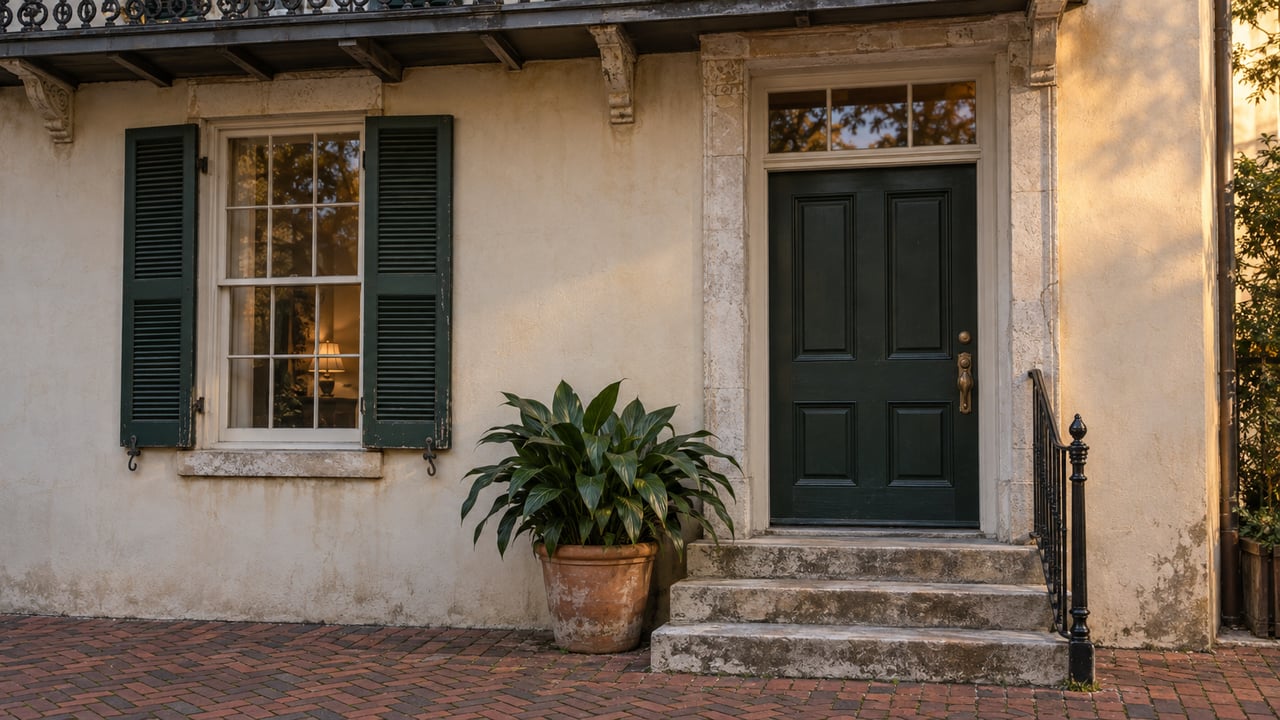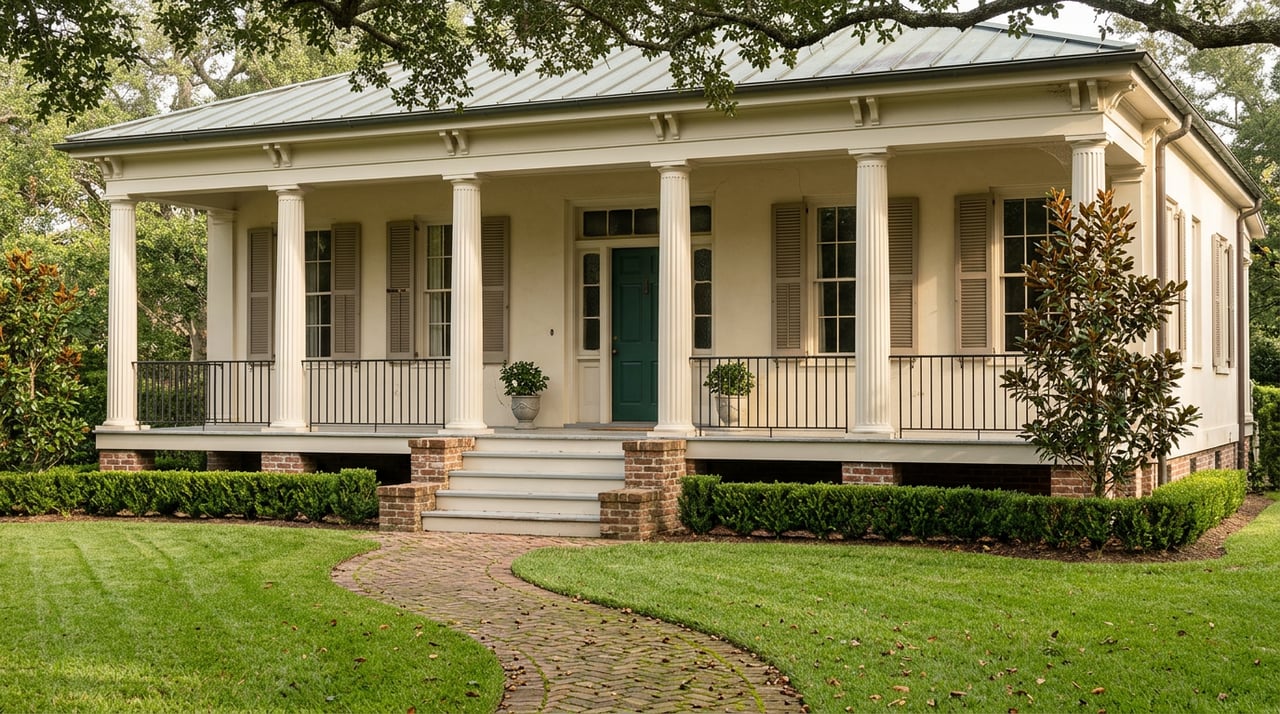
As NOLA.com reported, in the summer of 2025, a developer named Michael Moore stood before the New Orleans Historic District Landmarks Commission and asked for permission to tear down a century-old shotgun at 4854 Camp St. The commission said no. He appealed to the City Council, and on Aug. 21, 2025, the council voted unanimously to uphold that denial, backing a motion from District B Councilmember Lesli Harris. Moore demolished the house anyway, later that August.
The story matters to anyone buying a historic home in Uptown or the Garden District not because of what happened to Moore, who was fined $25,000 under state law, but because of what the case reveals about how these rules actually work. Most buyers assume historic district oversight is about paint colors and window styles. The real risk sits somewhere else entirely: a percentage buried in the commission's own definition of "demolition."
The Definition Nobody Reads Until It's Too Late
HDLC's rules do not define demolition the way most people picture it. You do not have to bulldoze a house to trigger a demolition-level review. According to Steeg Law's guide to the HDLC process, a project counts as demolition under the commission's guidelines if it involves any one of three things: structural removal of more than 50 percent of a building's exterior wall area, removal of more than 50 percent of the roof structure, or structural removal of more than 25 percent of the primary façade.
If your renovation plan involves a significant roof replacement, a major addition that eats into the original walls, or a façade overhaul, you may be closer to that threshold than your contractor's estimate suggests. Cross it, and your project stops being a routine alteration and becomes a demolition application, with a slower review process and a real chance of denial.
This Isn't a Rare Edge Case
It is tempting to treat the Camp Street case as an outlier, the kind of thing that happens to a developer cutting corners rather than a homeowner planning a careful renovation. The commission's own meeting records say otherwise.
In a May 26, 2026 public notice, HDLC listed a retention application for 700 Webster St and 6101 Constance St, work that removed more than 25 percent of the primary façade of a raised-basement single-family home. Retention applications are filed after the fact, meaning the work happened first and the owner came back asking the commission to approve what was already done. The same notice included 5912 Patton St, cited for demolition of more than 25 percent of the historic materials on its primary façade. A June 3, 2026 agenda added 2131-2133 Pine St, where a renovation project raised the house and removed more than 50 percent of the roof and exterior wall structure. Earlier that spring, an April 27 notice flagged the same pattern at 608 State St and at 4856-4858 Camp St, just doors down from the house Moore demolished the previous year.
None of these were framed by their owners as demolitions when the work began. They were framed as renovations that happened to require more structural change than the owner or contractor expected. The commission's rules do not care about intent. They care about the percentage.
Uptown and the Garden District Don't Play by the Same Rules
The other detail that catches buyers off guard is that HDLC's authority is not uniform across these two neighborhoods, even though they sit side by side and share much of the same architectural vocabulary.
| Historic District | What HDLC Reviews | What Requires Review |
|---|---|---|
| Uptown (partial control) | The City of New Orleans' Uptown Historic District guide says HDLC's jurisdiction is limited to demolition, following the district's 2017 designation. | Crossing the 25 percent façade or 50 percent wall or roof threshold |
| Garden District (full control) | The Preservation Resource Center of New Orleans says full-control districts require HDLC approval of new construction and all exterior work visible from the street. | The same threshold test, plus new construction |
In the Garden District, the bar is lower.
What This Means Before You Write an Offer
For a buyer who has fallen for a double-gallery home on Camp Street or a Greek Revival cottage off Prytania, the practical takeaway isn't to avoid historic properties. It's to ask a different question before making an offer than most buyers think to ask.
Instead of "does this need work," ask how much of the structure a planned renovation would actually remove, and whether that scope edges toward the 25 percent façade or 50 percent wall and roof marks. A contractor's framing estimate can answer that faster than a real estate listing ever will.
Timeline matters just as much as scope. A project that stays within routine alteration territory can often move through staff-level review in weeks. A project that crosses into demolition territory can take months rather than weeks. Buyers who budget renovation timelines around the smaller number, assuming their project will qualify as routine, are the ones most likely to end up surprised.
The Camp Street case also illustrates what happens after a denial. HDLC didn't just fine Moore. The commission required that any new construction on the site closely replicate the architectural style of the house that was lost.
A Few Questions Worth Asking Directly
Does this rule apply if I'm just replacing a roof, not adding on? Yes, if the roof work removes more than 50 percent of the existing roof structure.
What happens if work crosses the threshold without a permit first? The Preservation Resource Center of New Orleans says the maximum fine for unlawful demolition is $25,000 or 15 percent of the property's assessed value, whichever is greater. Several of the 2026 cases cited above are retention applications, meaning the owner did the work first and is now asking the commission to approve it after the fact, which is a far riskier position than applying before construction begins.
A historic home in Uptown or the Garden District carries real value precisely because these rules exist. They are also the reason a renovation budget needs a conversation with someone who has watched these applications move through the process, not just a contractor's quote. If you're weighing a historic property in either neighborhood and want a clearer read on what a specific renovation plan would actually require, Wurth Real Estate Services can help you look at the address before you fall in love with the floor plan. Reach out for a free home valuation and a straight answer on what you'd be taking on.
This article is general information, not legal, tax or financial advice. Consult a qualified professional about your situation.