Are you moving to Greater Baton Rouge and wondering where you will actually feel at home? That question gets bigger fast once you realize Baton Rouge is not one-size-fits-all. Your best fit often comes down to how you want to live day to day, how much you want to drive, and what kind of housing style fits your goals. This guide will help you sort through the area by neighborhood pattern, commute logic, and practical tradeoffs so you can move forward with more confidence. Let’s dive in.
How Greater Baton Rouge Is Organized
If you are new to the area, it helps to think about Baton Rouge in a few big buckets instead of memorizing every neighborhood name at once. The city-parish planning framework separates the area into Downtown, Urban/Walkable, Suburban, and Rural character areas. In real life, that means your experience can vary a lot depending on whether you choose the core, an older in-town neighborhood, or a more auto-oriented suburban corridor.
Locals and visitor maps often describe the metro in a way that feels even more practical for newcomers. You will hear places grouped as Downtown, Mid City, Near LSU, College Drive/Perkins, Essen/Siegen/Bluebonnet, and North Baton Rouge/Near Southern University. For most buyers and renters, the smarter question is not just which neighborhood sounds familiar, but which corridor makes your daily routine easier.
Start With Your Daily Pattern
Before you compare listings, think about how your household will move through the week. If most trips are to downtown, LSU, or medical and commercial corridors, location can shape your quality of life more than square footage alone. Baton Rouge commuters often feel the difference between a short in-town route and a longer drive-dependent pattern.
The parish transportation plan notes that the region deals with congestion and needs a mix of roadway, transit, walking, biking, and land-use coordination. MOVEBR is designed to improve congestion and commute reliability through projects like road widening, new roads, and signal timing. That means commute planning should be part of your housing search from day one.
Downtown Baton Rouge Living
Downtown is the most pedestrian-oriented district in the parish. Official land-use guidance describes it as a higher-density area with residential and commercial intensity, street-level pedestrian emphasis, and less support for auto-oriented uses. If you want a more urban rhythm, downtown is the clearest expression of that lifestyle in Baton Rouge.
For newcomers, the appeal is straightforward. You may be closer to work, restaurants, entertainment, and civic destinations, with less need to rely on a car for every short trip. If your priority is convenience and access, downtown can make a strong first stop in your search.
The tradeoff is that downtown living does not usually feel like a traditional large-lot subdivision. Parking, lot size, and housing style can look very different from suburban expectations. If you are relocating from a more spread-out market, that shift is worth thinking through early.
Historic Core Neighborhoods
Some of Baton Rouge’s most distinctive neighborhoods sit near the urban core. These older areas often developed before the 1960s and tend to feature smaller lots, connected streets, and housing with architectural character. If you are drawn to older homes and a more established street pattern, this part of the market may stand out.
Spanish Town
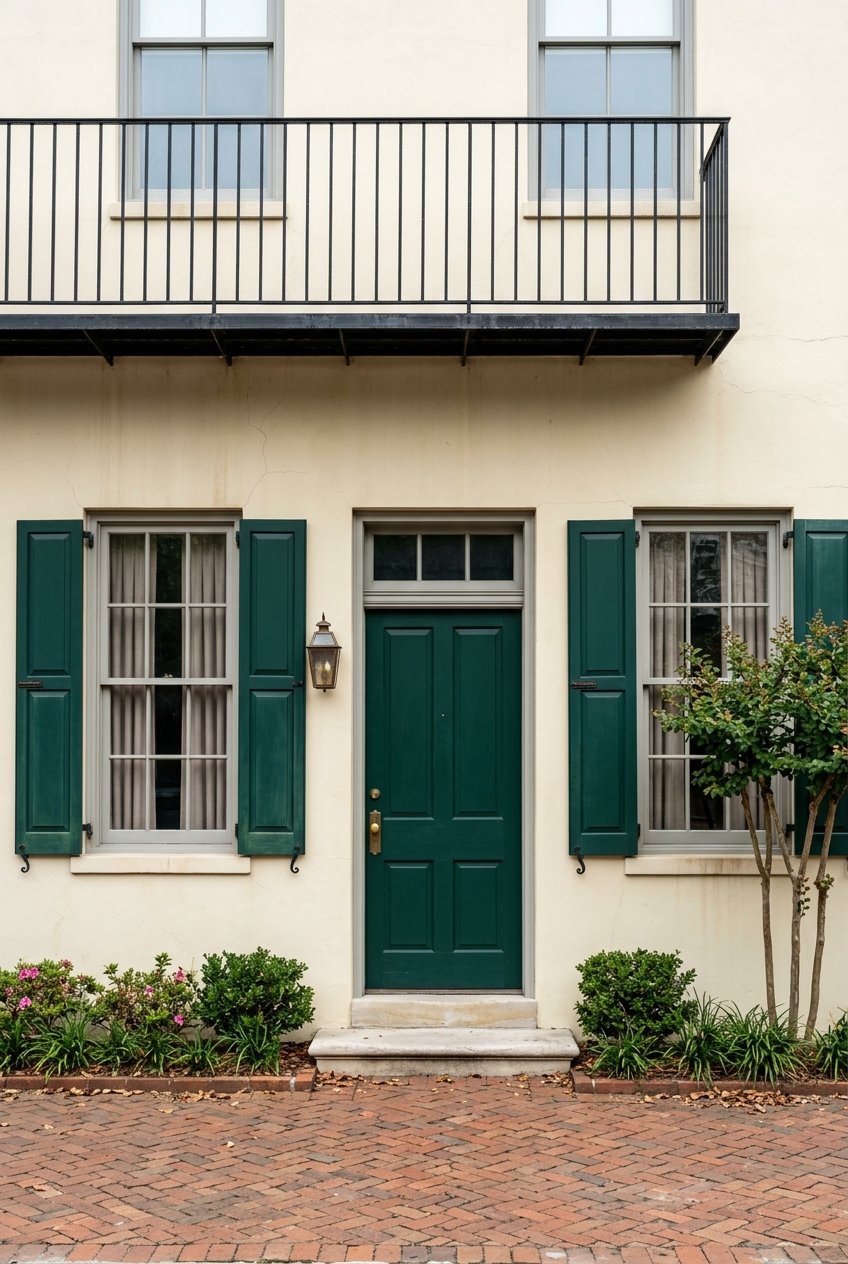
Spanish Town is described by the city as the oldest neighborhood in Baton Rouge. It is known for narrow streets, an irregular block layout, and a mix of Greek Revival, Queen Anne, shotgun houses, and craftsman bungalows. For buyers who value architecture and a strong sense of place, that can be a major draw.
Because it is an older neighborhood, the experience here can feel very different from a newer subdivision. You may get more character and a more intimate street setting, but less flexibility in things like parking and exterior changes. That balance is part of what makes core Baton Rouge neighborhoods feel special, but it also calls for careful planning.
Beauregard Town
Beauregard Town is another compact historic district with one- and two-story homes on narrow shaded streets. The area includes Queen Anne, craftsman, and Classical Revival buildings, giving it a distinct visual identity. If you want historic housing close to the center of the city, this is another area worth understanding.
Like Spanish Town, this neighborhood can appeal to buyers who want more than just square footage. You may be choosing walkability, older architecture, and location over a larger yard or newer layout. That can be the right tradeoff if it matches how you want to live.
Historic District Rules Matter
If you are considering an older home in a local historic district, be sure to ask detailed questions before you buy. Baton Rouge requires Certificates of Appropriateness for exterior alterations visible from the street in local historic districts. That can affect renovation plans, design choices, and timelines.
For some buyers, that review process feels worth it because it helps preserve the neighborhood’s historic character. For others, it may add complexity they would rather avoid. Either way, it is better to understand the rules before you fall in love with a property.
Near LSU and Campus-Adjacent Areas
The Near LSU area offers a different kind of convenience. This part of Baton Rouge is home to Tiger Stadium and is surrounded by food, shops, and nightlife. For many newcomers, its biggest advantage is proximity to campus and relatively quick access to other central parts of the city.
Transit is part of the story here as well. LSU’s Tiger Trails network includes fixed-route bus service, express shuttles, paratransit, and on-demand mobility. CATS also provides service throughout Baton Rouge, and Route 18 connects Cortana Transit Center and Tigerland by way of Goodwood Boulevard, Corporate Boulevard, College Drive, and Lee Drive.
Housing near LSU often functions more like a compact mixed-use district than a traditional subdivision. In practical terms, you should expect more apartments, townhomes, rental-friendly houses, and smaller lots near active corridors than you would in many suburban areas. If you want easy campus access, that can be a strong fit.
The tradeoff is activity. These areas can feel busier, especially around game days and other LSU-related traffic peaks. If you prefer a quieter setting with easier parking and less event-driven movement, you may want to compare this area carefully with neighborhoods farther from campus.
Suburban Corridors and Regional Centers
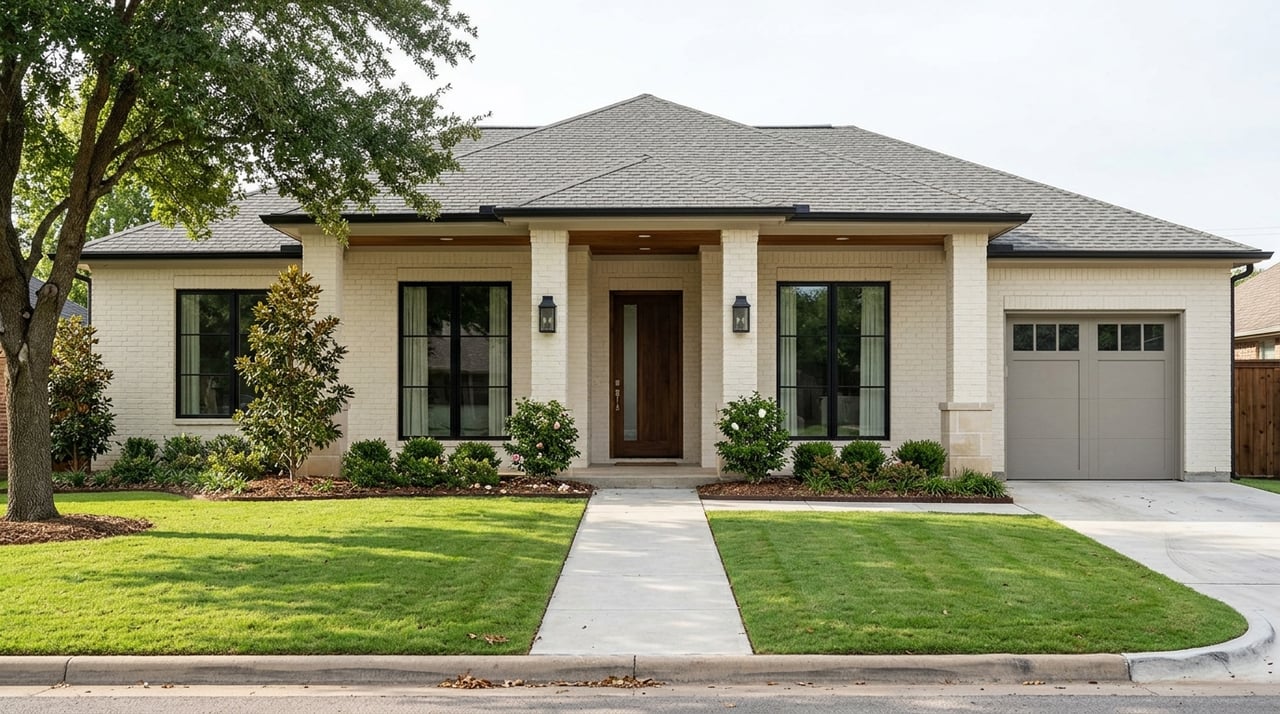
If your priority is more house, larger lots, or a more familiar subdivision pattern, the suburban parts of Baton Rouge may feel more comfortable. The parish defines suburban character areas as places shaped by larger lots, auto-oriented shopping centers, and residential subdivisions. Most growth since the 1960s has concentrated in these kinds of areas.
In these corridors, daily errands usually rely more on driving because land uses are more separated than in downtown or older walkable neighborhoods. That does not make suburban living better or worse. It simply means your lifestyle will likely be more car-dependent.
College Drive and Perkins
The College Drive/Perkins corridor is commonly recognized as a major activity area with plenty to discover. For newcomers, this can be appealing because it places you near shopping, dining, and major routes without necessarily living in the densest part of the city. It often works well for people who want convenience but not always a downtown setting.
This area can also function as a bridge between in-town and suburban Baton Rouge. Your exact experience will depend on the specific property and nearby road network. That is why it helps to judge each listing by real travel times, not just a broad map label.
Essen, Siegen, and Bluebonnet
The Essen/Siegen/Bluebonnet area is another major corridor packed with restaurants, shopping, and entertainment. Parish land-use guidance also identifies places like Perkins Rowe and the Mall of Louisiana at Bluebonnet as regional centers with a broad draw, mixed-use buildings, and parking in garages or lots. If you want strong retail access and modern conveniences close by, this part of the market often gets attention.
For many households, this area offers practical day-to-day ease. You may have more choices for errands and services within a short drive, along with housing options that feel more suburban than the urban core. The tradeoff is that driving usually remains central to daily life.
Not All Suburbs Feel the Same
It is also worth knowing that suburban Baton Rouge is not uniform. The city’s Green Trails at Shenandoah example shows that some suburban areas are designed with sidewalks connecting homes to schools, public facilities, and commercial areas. Even in a car-oriented setting, some neighborhoods offer better internal connectivity than others.
That makes neighborhood-level research important. Two areas may both be labeled suburban, yet one may feel more connected and convenient for short trips than the other. Small design differences can have a real impact on your daily routine.
Ask About Commute and Drainage
In Baton Rouge, two practical questions deserve a place in every home search: how will you commute, and what is the property’s drainage context? Those issues can shape your long-term satisfaction just as much as price, style, or size. A home that looks perfect online may feel very different once you factor in real travel patterns and site conditions.
The parish stormwater master plan includes an address-searchable watershed map that can help buyers compare drainage context by location. That makes it easier to review one property against another before you commit. If you are comparing neighborhoods, this is a smart step to take early.
You should also think about how drainage, maintenance, and insurance questions connect to the type of property you want. Older homes, historic districts, and different watershed locations can all create different ownership considerations. The more clearly you understand those factors, the more confident your decision can be.
A Simple Way To Narrow Your Search
If you are still deciding where to focus, start with a few simple filters:
- How many of your weekly trips will go to downtown, LSU, or major commercial corridors?
- Do you want walkability, parking, or yard space first?
- Are you open to older housing stock and historic-district rules?
- Would a more active mixed-use area fit your routine, or would you prefer a quieter subdivision pattern?
- Have you reviewed the property’s drainage context before making a decision?
These questions usually reveal more than a neighborhood name alone. They help separate a home that looks appealing from one that truly fits your life.
A newcomer’s best match in Greater Baton Rouge is often less about chasing the most talked-about area and more about choosing the right pattern for your everyday needs. Whether you are drawn to downtown energy, historic architecture, campus access, or suburban convenience, a well-planned search can save you time and stress. If you want help comparing Baton Rouge neighborhoods with a clear eye on lifestyle, property condition, and long-term fit, connect with Joseph S. Pappalardo Jr..
FAQs
What part of Greater Baton Rouge is best for walkability?
- Downtown is the most pedestrian-oriented district in the parish, and older urban neighborhoods also tend to have smaller lots and more connected streets.
What should newcomers know about historic neighborhoods in Baton Rouge?
- Historic core areas like Spanish Town and Beauregard Town offer architectural character and central location, but local historic districts may require review for exterior changes visible from the street.
What is living near LSU like for Baton Rouge newcomers?
- Near LSU often offers strong access to campus, food, shops, nightlife, and transit options, but it can also feel more active during game days and other peak traffic periods.
What do suburban Baton Rouge neighborhoods usually offer?
- Suburban areas generally feature larger lots, residential subdivisions, and auto-oriented shopping, with more driving required for daily errands than in the urban core.
Why should Baton Rouge buyers ask about drainage?
- Drainage context can vary by property and neighborhood, and the parish provides an address-searchable watershed map to help buyers compare locations before committing.
How should newcomers choose a Baton Rouge neighborhood?
- Start with your daily trip patterns, your preference for walkability versus parking or yard space, and any concerns about historic-district rules or drainage context.