Thinking about buying a shotgun home in Bywater or Marigny? It can be one of the most rewarding ways to own a piece of New Orleans architecture, but it also comes with real questions about layout, upkeep, permits, and historic-district rules. If you want charm, walkability, and a home with a strong sense of place, this guide will help you understand what to look for before you buy. Let’s dive in.
Why Bywater and Marigny feel different
Bywater and Faubourg Marigny are historic, close-knit urban neighborhoods where the house and the lot work together. In both areas, buildings often sit close to the street, lots are narrow, and the overall streetscape is part of what gives each block its character.
Bywater’s local historic district covers roughly 120 blocks and more than 2,000 buildings. It is dominated by shotgun houses and Creole cottages, with small-scale residences and shallow front yards when they exist. In Marigny, the built environment is similarly dense, with Creole cottages, ornamented shotguns, mixed-use corner buildings, and many homes set directly on the street.
That means you are not just buying square footage. You are also buying into a specific urban pattern that values architectural character and walkability over large yards, broad setbacks, or easy off-street parking.
What a historic shotgun home usually includes
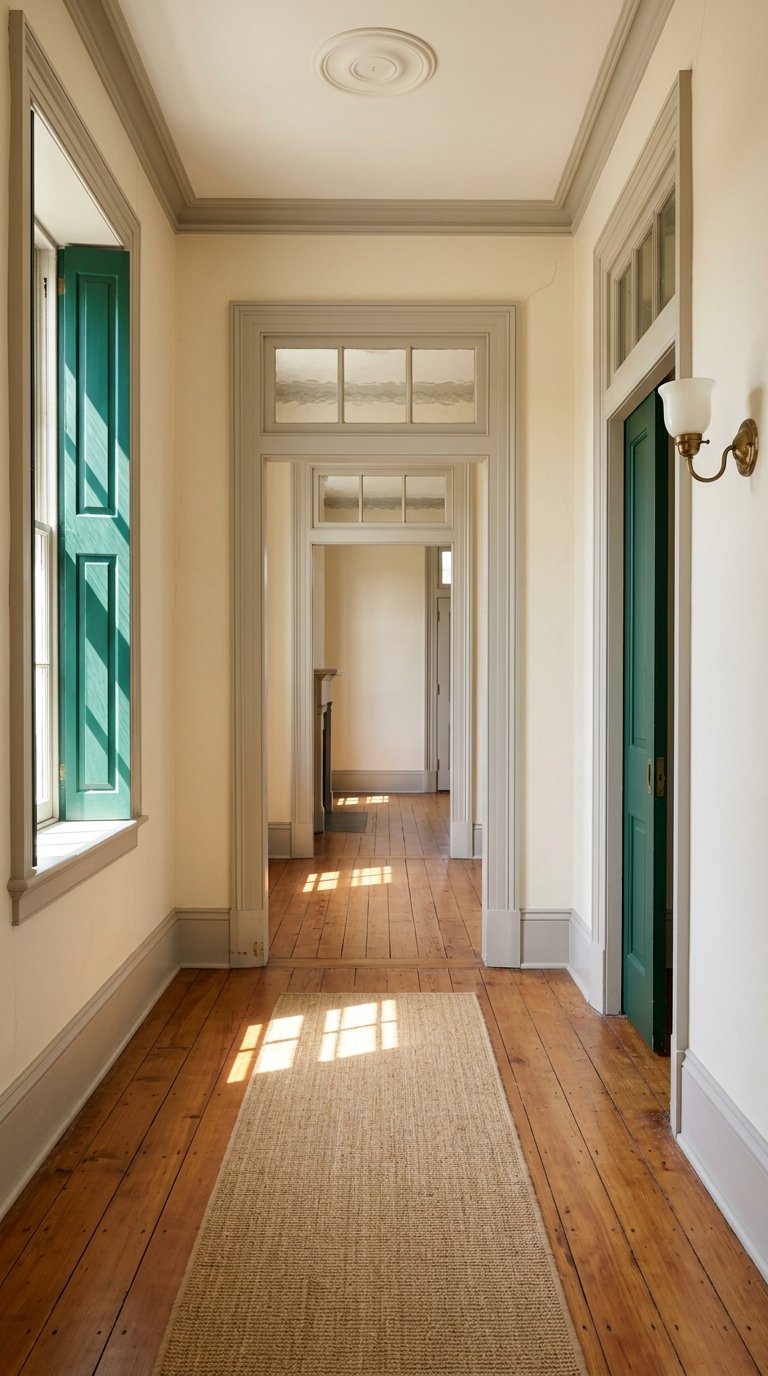
A classic shotgun house is narrow and linear. It is typically one room wide and three to five rooms deep, with rooms arranged in a straight line and no hallway.
In New Orleans, many shotguns are raised on brick piers and feature a narrow front porch, end-gabled roof, and one or two openings on the front facade. Some also include a rear second-story addition known as a camelback, which can add flexibility without changing the overall street presence too dramatically.
In Marigny, you may also see variations with side halls or galleries. Creole cottages remain another common historic housing type, so not every small historic home you tour will follow the exact same floor plan.
How the layout affects daily living
The layout is one of the biggest lifestyle factors to think through before you buy. A linear plan can feel full of character, but it can also affect privacy, storage, furniture placement, and how natural light moves through the home.
Some buyers love the connected flow of room-to-room living. Others find that the lack of a hallway or the narrow footprint requires more compromise than expected.
As you tour homes, consider questions like these:
- Does the current floor plan already work for how you live?
- Will you want more privacy between bedrooms and living areas?
- Is there enough storage for your day-to-day needs?
- Does a rear addition or camelback provide the flexibility you want?
- Would a major reconfiguration be necessary to make the home functional for you?
These are not small details. In a shotgun home, the floor plan often shapes your experience just as much as the location does.
Why renovations need extra planning
In Bywater and Marigny, exterior changes in local historic districts are not simply design choices. In New Orleans local historic districts, exterior work requires a Certificate of Appropriateness, and that applies to repairs, alterations, additions, demolition, relocation, new construction, and even some site work such as fencing or paving.
This is especially important if you are buying a home with plans to update it soon after closing. Work that seems straightforward in another neighborhood may require review here, particularly if it changes the exterior appearance or affects historic features.
The city’s guidelines cover a wide range of elements, including roofs, woodwork, masonry, windows and doors, porches, site elements, additions, demolition, and storm preparedness. For buyers, the main takeaway is simple: if renovation is part of your plan, you should understand the review process before you buy, not after.
Roofs, windows, and exterior details matter
Roof work deserves special attention in these neighborhoods. The city states that properties in HDLC or VCC districts require additional review before a reroofing permit is issued.
Windows are another area where buyers often make assumptions. The city notes that owners are not necessarily required to restore a home to an earlier version, and if aluminum windows were installed before the district was created, they may often remain or be replaced with identical units.
That is helpful because it shows how local review typically works in practice. The goal is usually compatible change, not forcing every property into a perfect historical reset.
What maintenance really looks like
Owning a historic shotgun home usually means staying ahead of maintenance rather than reacting late. In older New Orleans homes, recurring concerns often include moisture and water intrusion, roof and exterior deterioration, termite damage, and the ongoing care of woodwork and windows.
Termites are a particularly important issue in New Orleans. The Preservation Resource Center notes that annual termite inspections are essential, and regular treatment is needed if termites are found.
Wood windows also deserve a closer look. Original windows can often be repaired, and replacing an entire window because one part has failed is often unnecessary. If the home was built before 1978, old paint may contain lead, so any disturbance of painted surfaces should be approached with lead-safe practices.
Demolition by neglect is a real concern
Deferred maintenance is not only a physical risk. In local historic districts, the city notes that owners can be cited for demolition by neglect.
For a buyer, this matters in two ways. First, it reinforces the value of a thorough inspection. Second, it means a property with obvious exterior deterioration may carry future compliance concerns along with repair costs.
A beautiful facade can still hide expensive issues. That is why an older home should be evaluated for both livability and stewardship.
Smart due diligence before you make an offer
Before you make an offer on a shotgun home in Bywater or Marigny, verify the property’s zoning and historic-district status. The City of New Orleans Property Viewer is the city’s quick reference for addressing, zoning, and historic or conservation district information.
You should also check the property’s flood hazard status through FEMA’s Flood Map Service Center, which is the official public source for National Flood Insurance Program flood-hazard information. In New Orleans, flood-risk awareness is part of basic due diligence.
A few practical items to confirm early include:
- Whether the home is in a local historic district
- Whether any planned exterior work may need a Certificate of Appropriateness
- The current roof condition and any known water intrusion
- Signs of deferred woodwork or masonry maintenance
- Window condition and whether replacement or repair is more likely
- The flood hazard designation for the parcel
Build the right local team
Historic-home purchases usually go more smoothly when you have the right people around you from the start. The most useful team often includes a preservation-aware real estate agent, a home inspector who understands older New Orleans houses, and a contractor who knows when repair is more appropriate than replacement.
Depending on the home and your renovation goals, an architect or consultant can also help interpret city guidelines and evaluate what changes may be realistic. The city’s design guidance itself points owners toward consultation with qualified architects, contractors, HDLC staff, and the ARC.
This is one of the clearest reasons to work with a brokerage that understands historic neighborhoods beyond surface-level charm. In Bywater and Marigny, good advice can help you avoid surprises on both cost and timeline.
Is a shotgun home the right fit for you?
A historic shotgun home is often a strong fit if you value architectural character, want to live in a dense and walkable part of New Orleans, and feel comfortable budgeting for maintenance and city review. It can also be a smart option if you appreciate older homes and do not need a highly open or easily reconfigured layout.
It may be a weaker fit if you want a quick cosmetic project, a large yard, or a floor plan that can be radically reshaped without much constraint. In these neighborhoods, the house’s historic form and the city’s preservation framework are part of the ownership experience.
If you go in with clear expectations, buying a shotgun in Bywater or Marigny can be both practical and deeply rewarding. You get more than a home. You get a piece of New Orleans’ built history, connected to the street, the block, and the daily rhythm of the neighborhood.
If you are weighing a historic purchase in Bywater or Marigny, working with a local brokerage that understands preservation, neighborhood nuance, and older housing stock can make the process much clearer. Connect with Joseph S. Pappalardo Jr. for thoughtful guidance on finding the right fit and navigating the details with confidence.
FAQs
What is a shotgun house in Bywater or Marigny?
- A shotgun house is typically a narrow, one-room-wide home with three to five rooms arranged in a straight line, often without a hallway.
Do historic homes in Bywater or Marigny need special approval for exterior work?
- Yes. In New Orleans local historic districts, exterior work generally requires a Certificate of Appropriateness, including many repairs, alterations, additions, and some site work.
Are old windows in a Bywater or Marigny home always required to be replaced?
- No. Older windows can often be repaired, and the city does not automatically require owners to restore every feature to an earlier historic version.
Should you check flood risk before buying a home in Bywater or Marigny?
- Yes. Buyers should check flood hazard status through FEMA’s Flood Map Service Center as part of normal due diligence.
What should buyers inspect carefully in a historic shotgun home?
- Pay close attention to roof condition, moisture intrusion, termite history, exterior deterioration, window condition, and whether the current layout works for your needs.